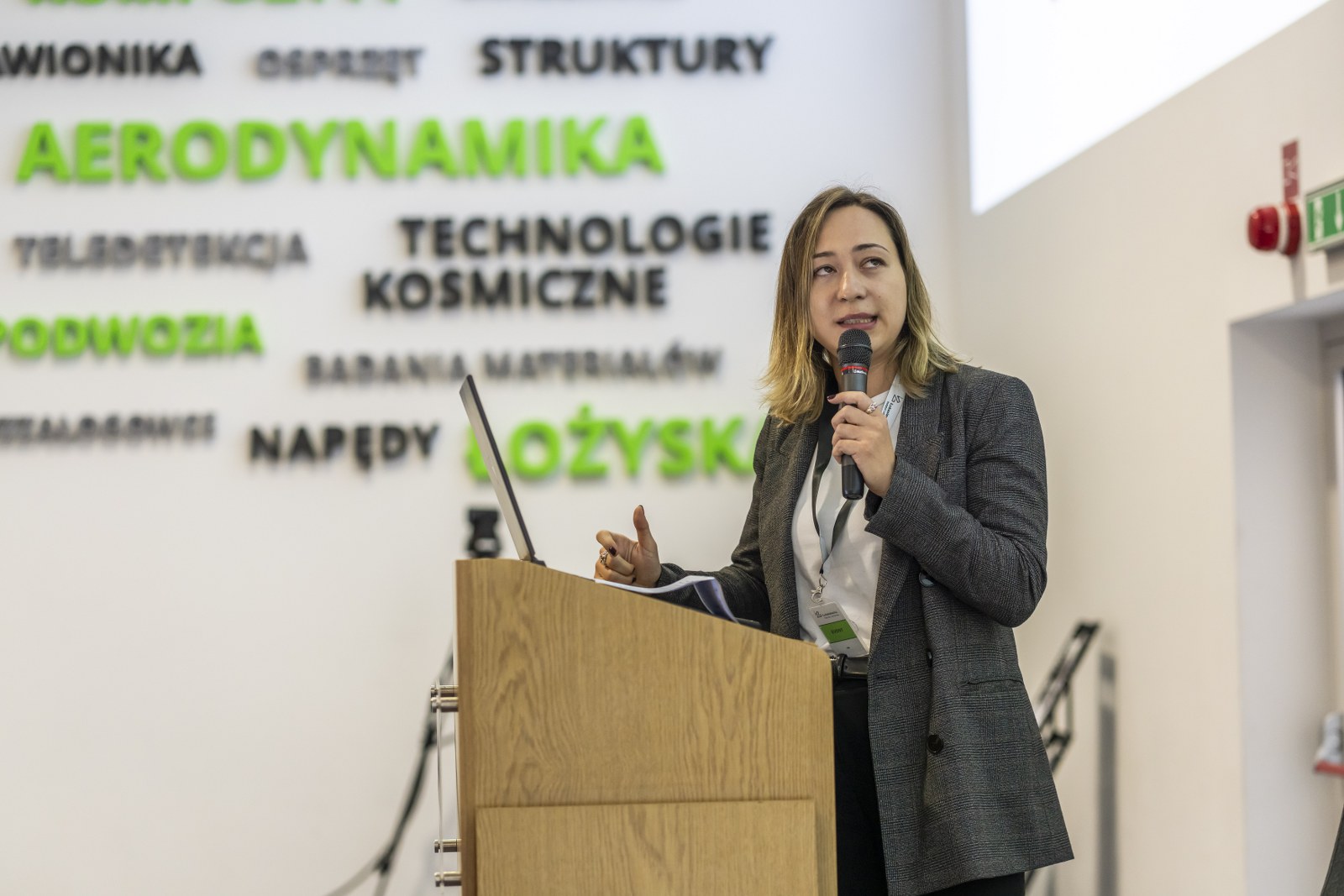
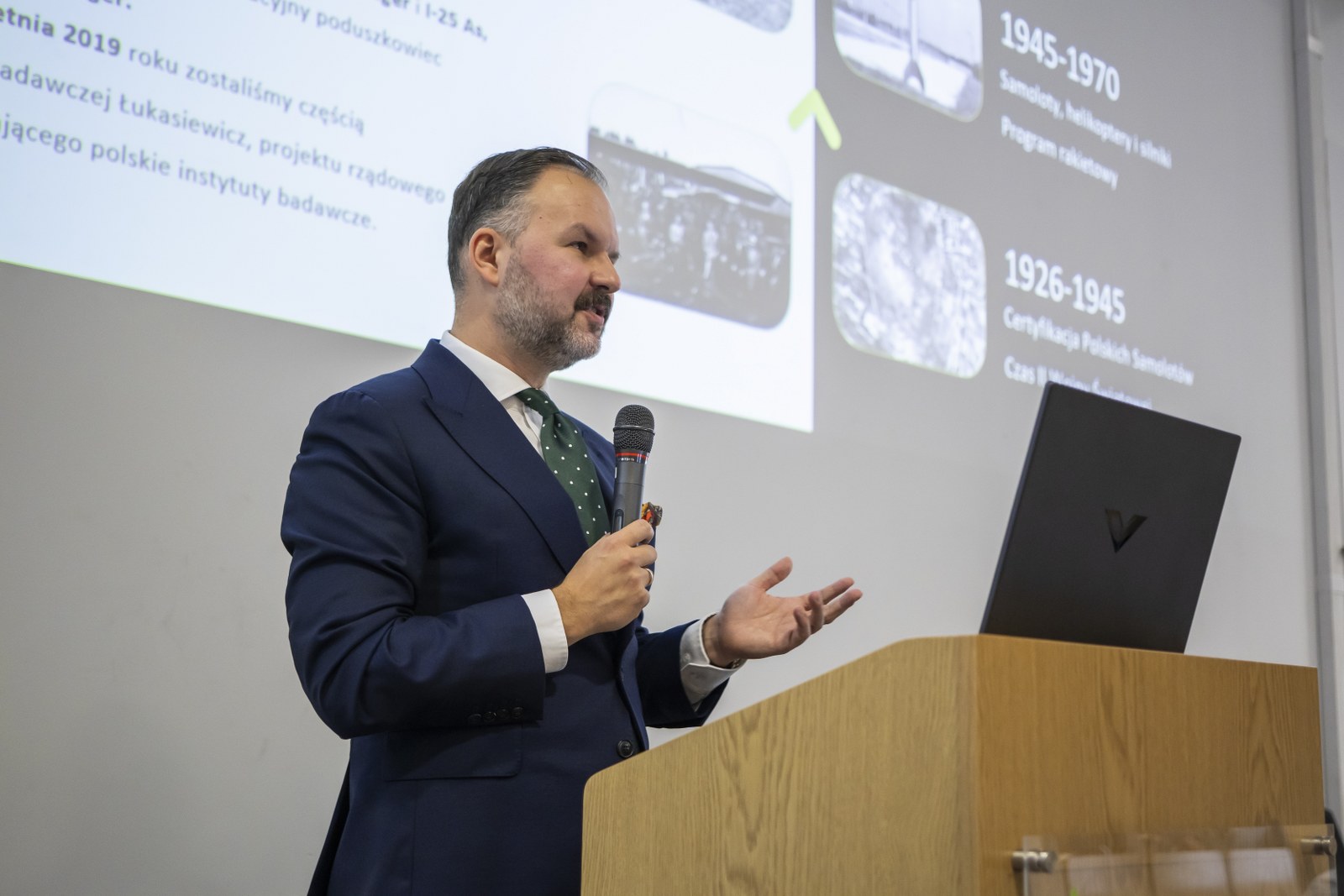
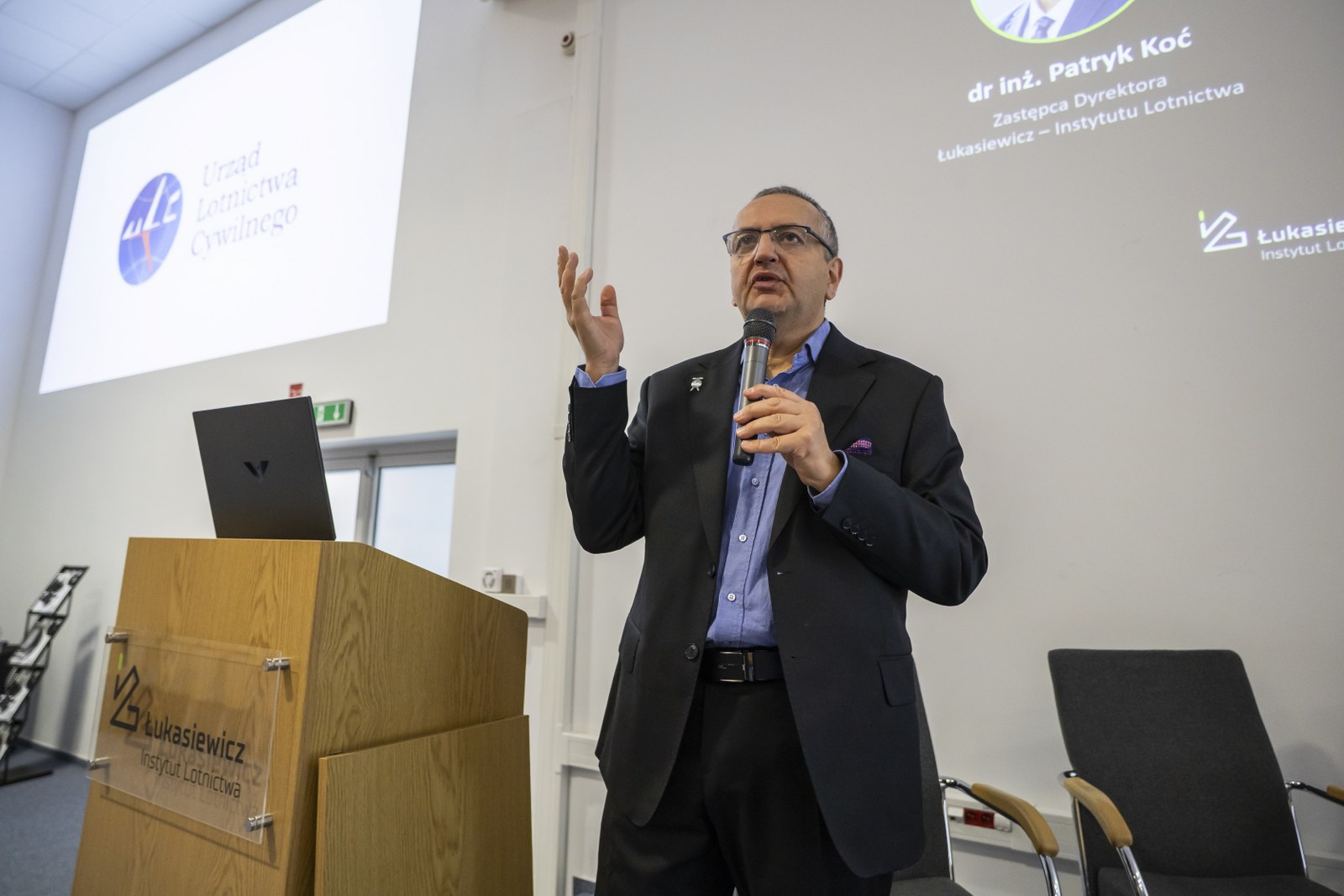
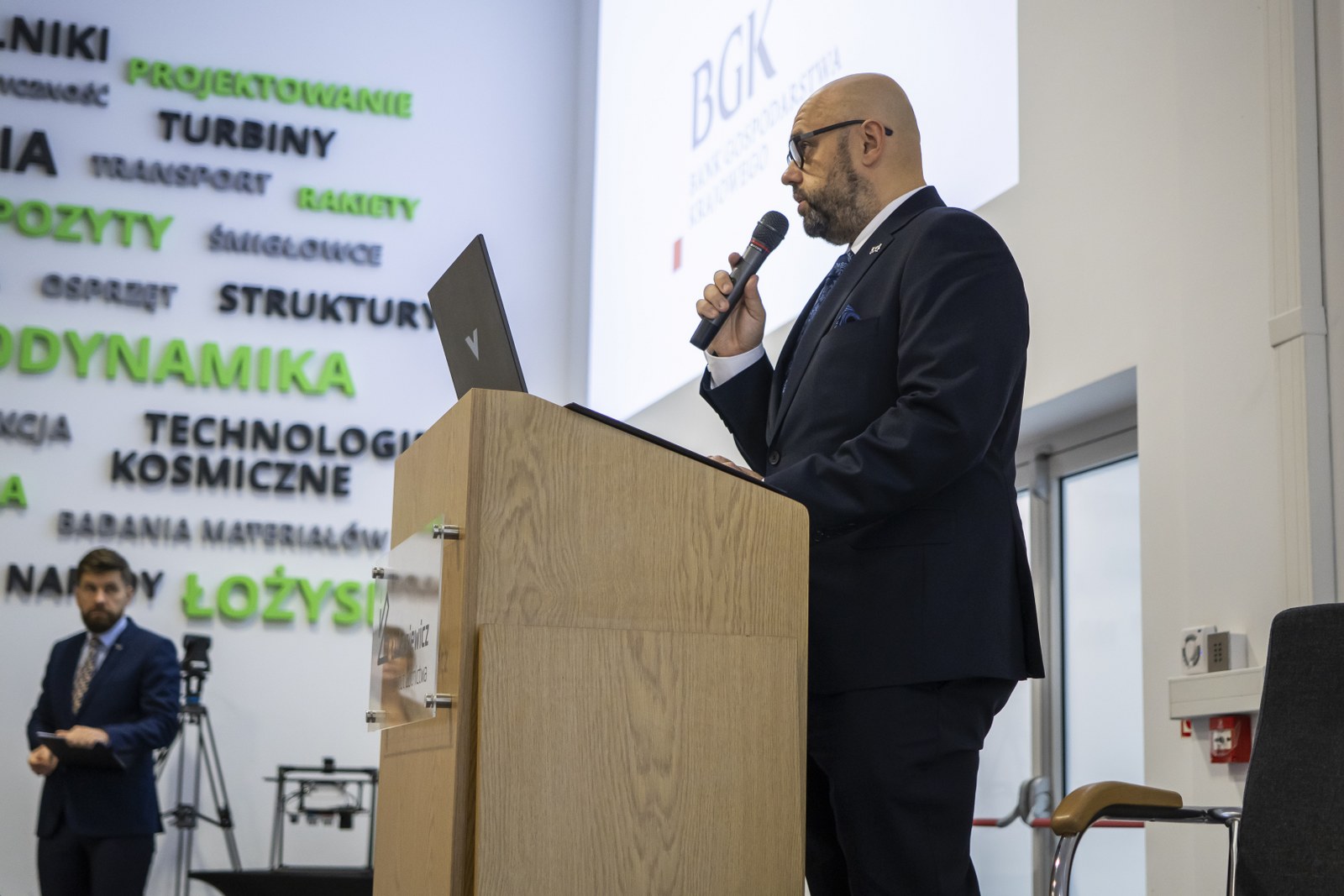
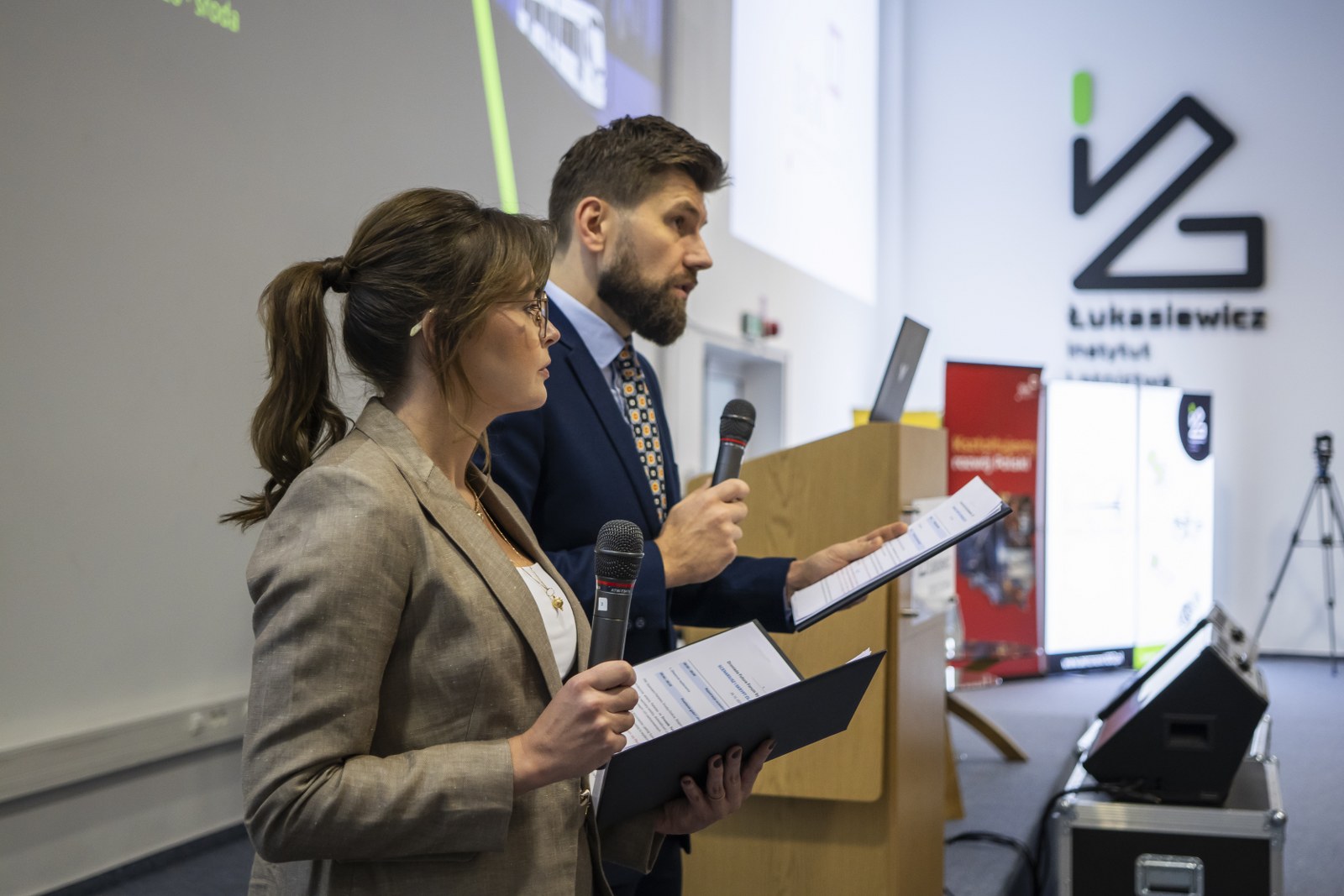
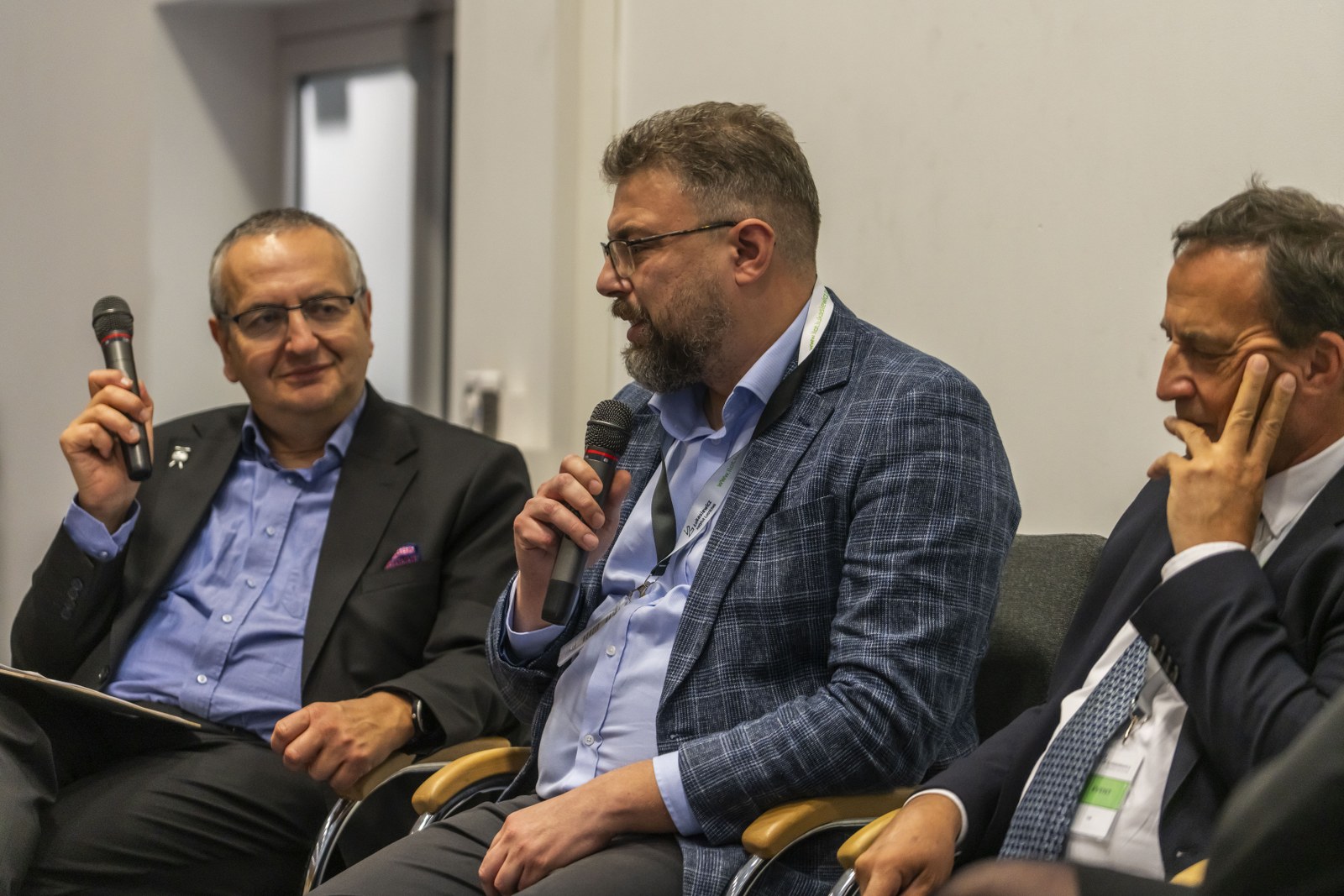
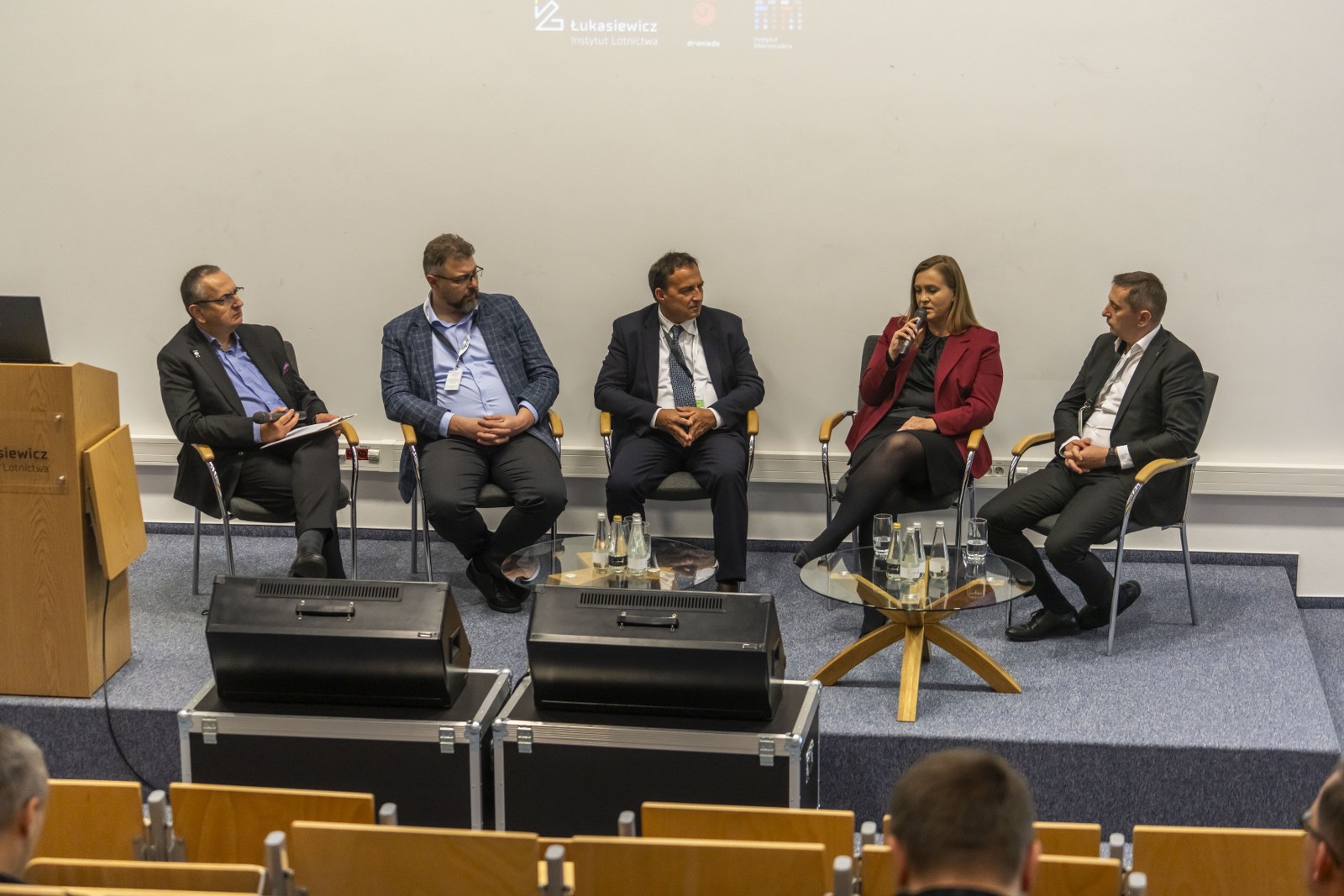
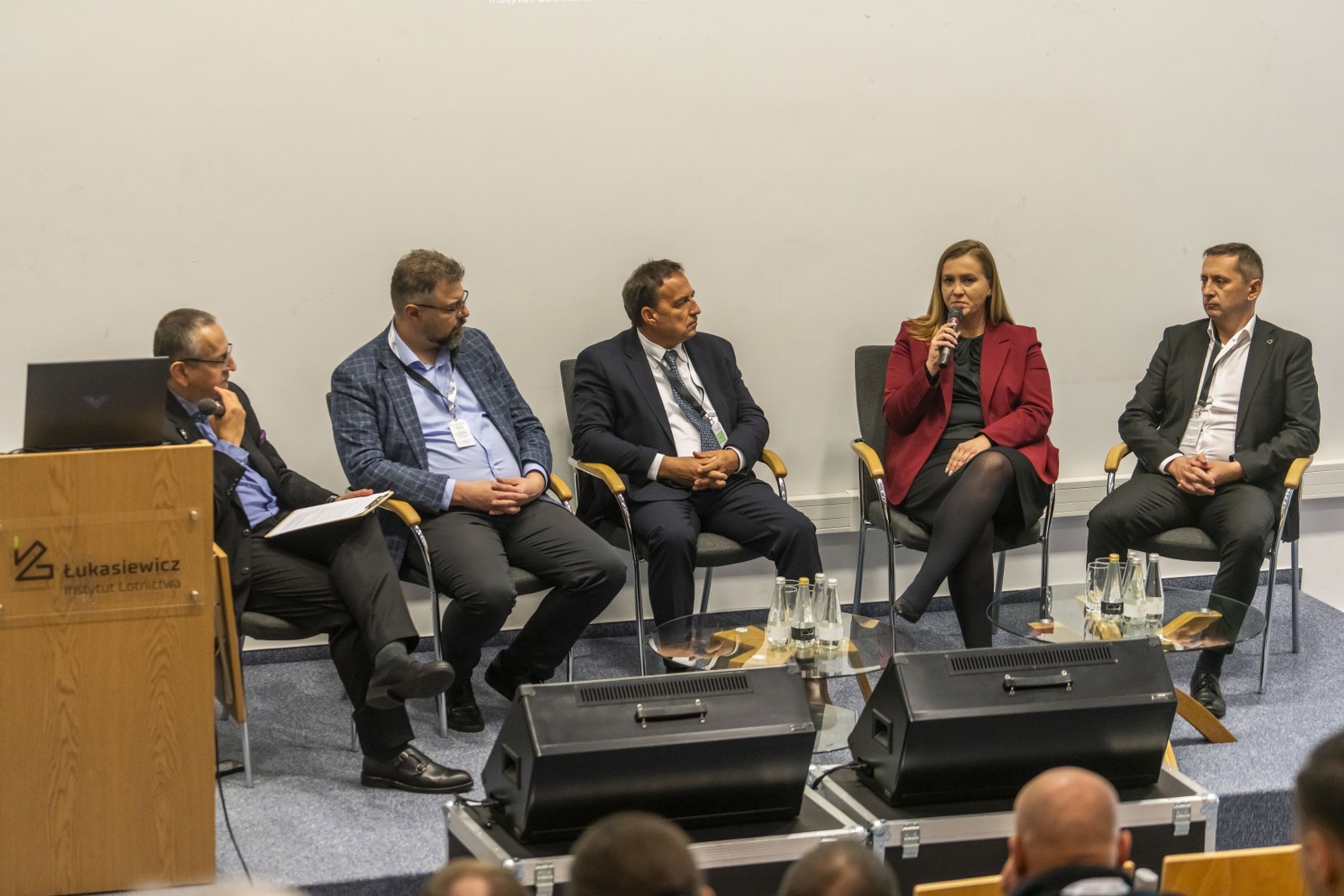
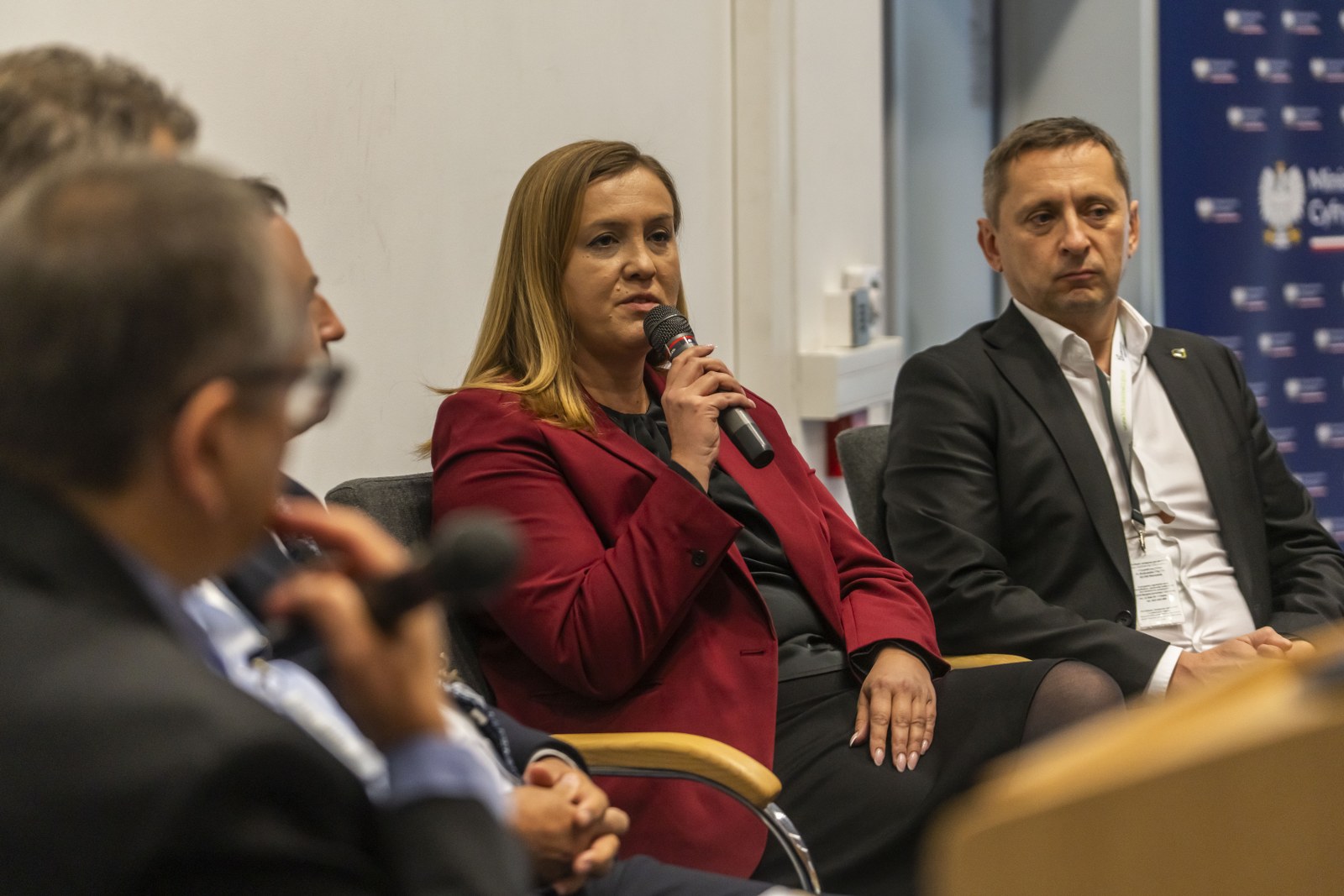
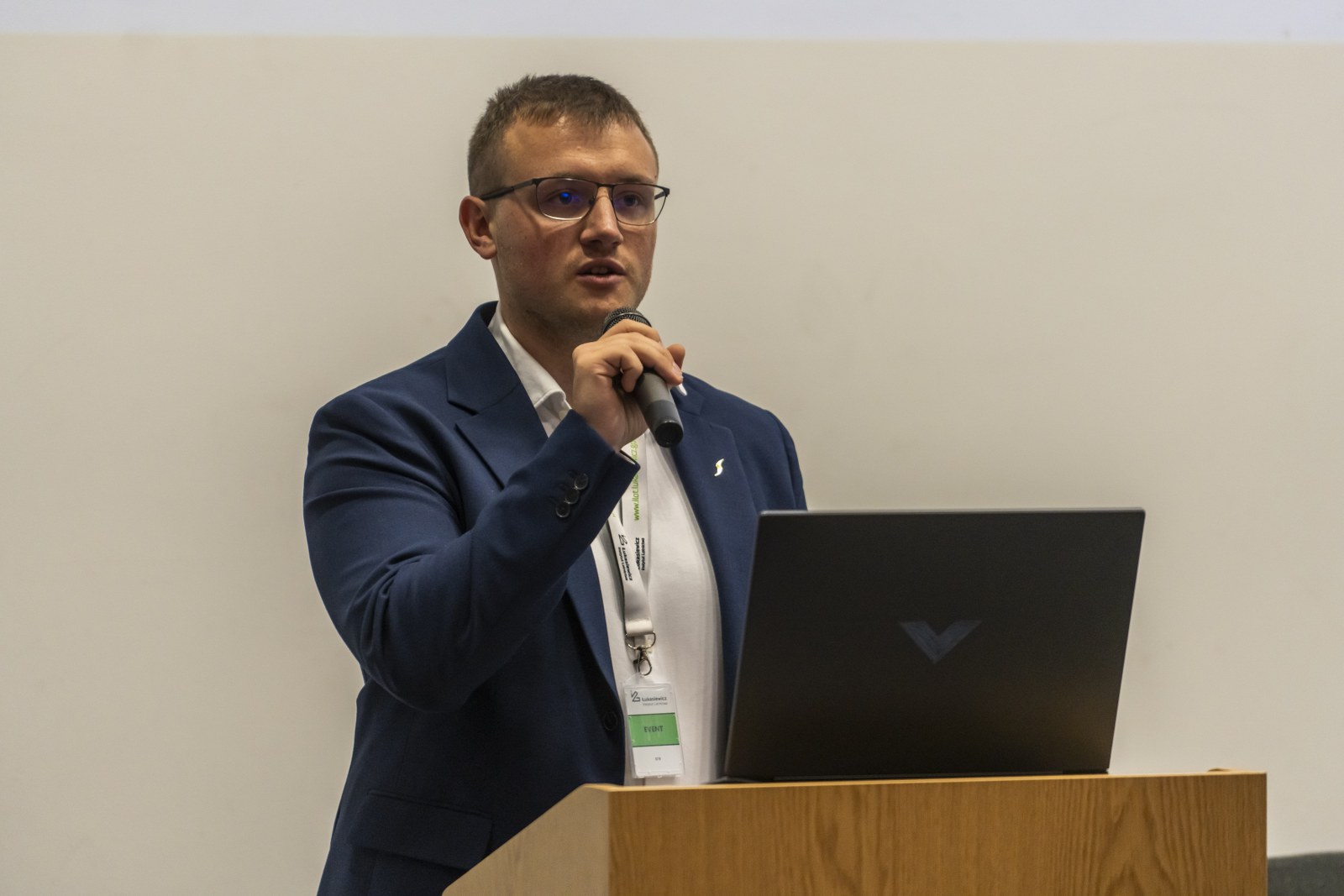
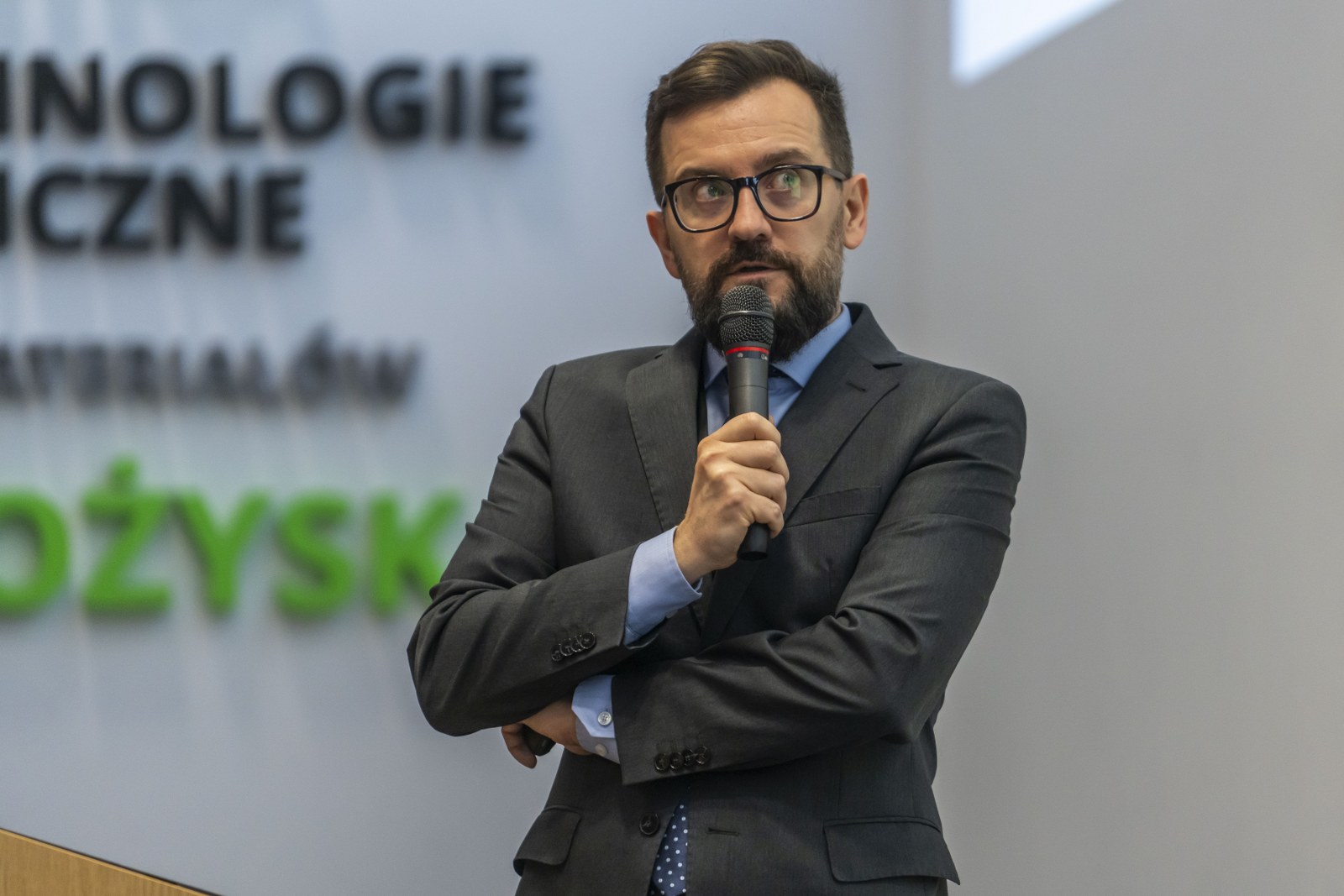
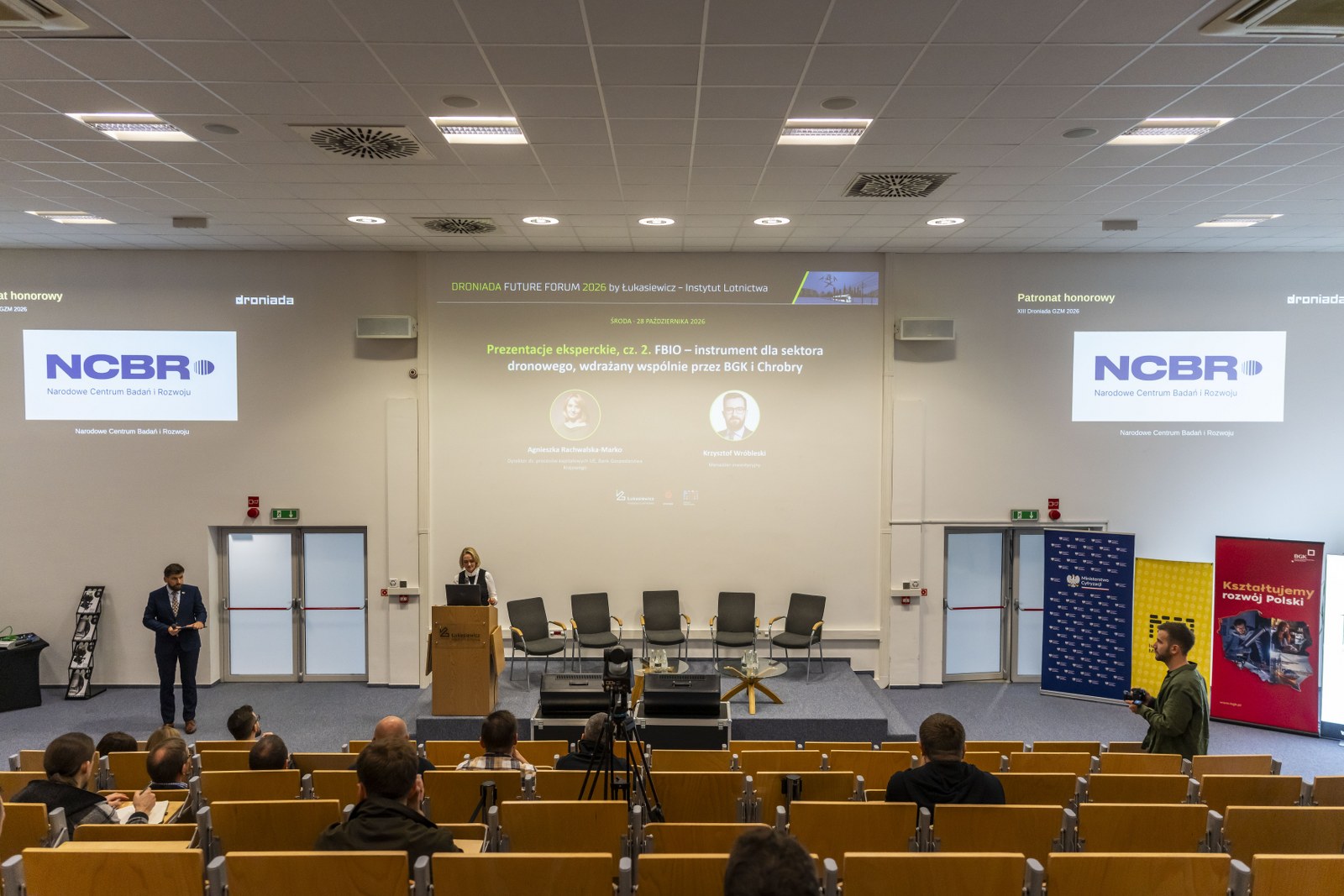
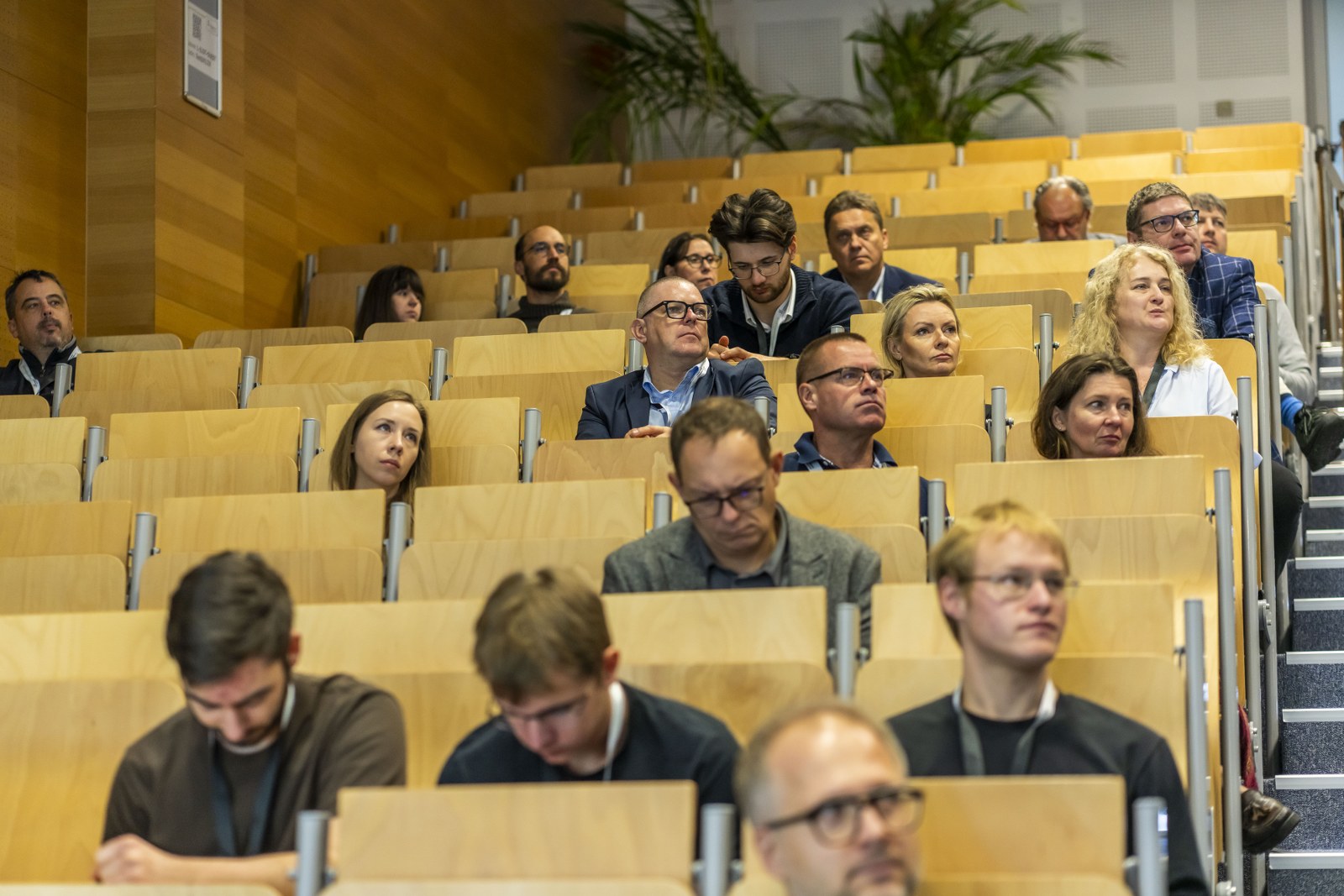
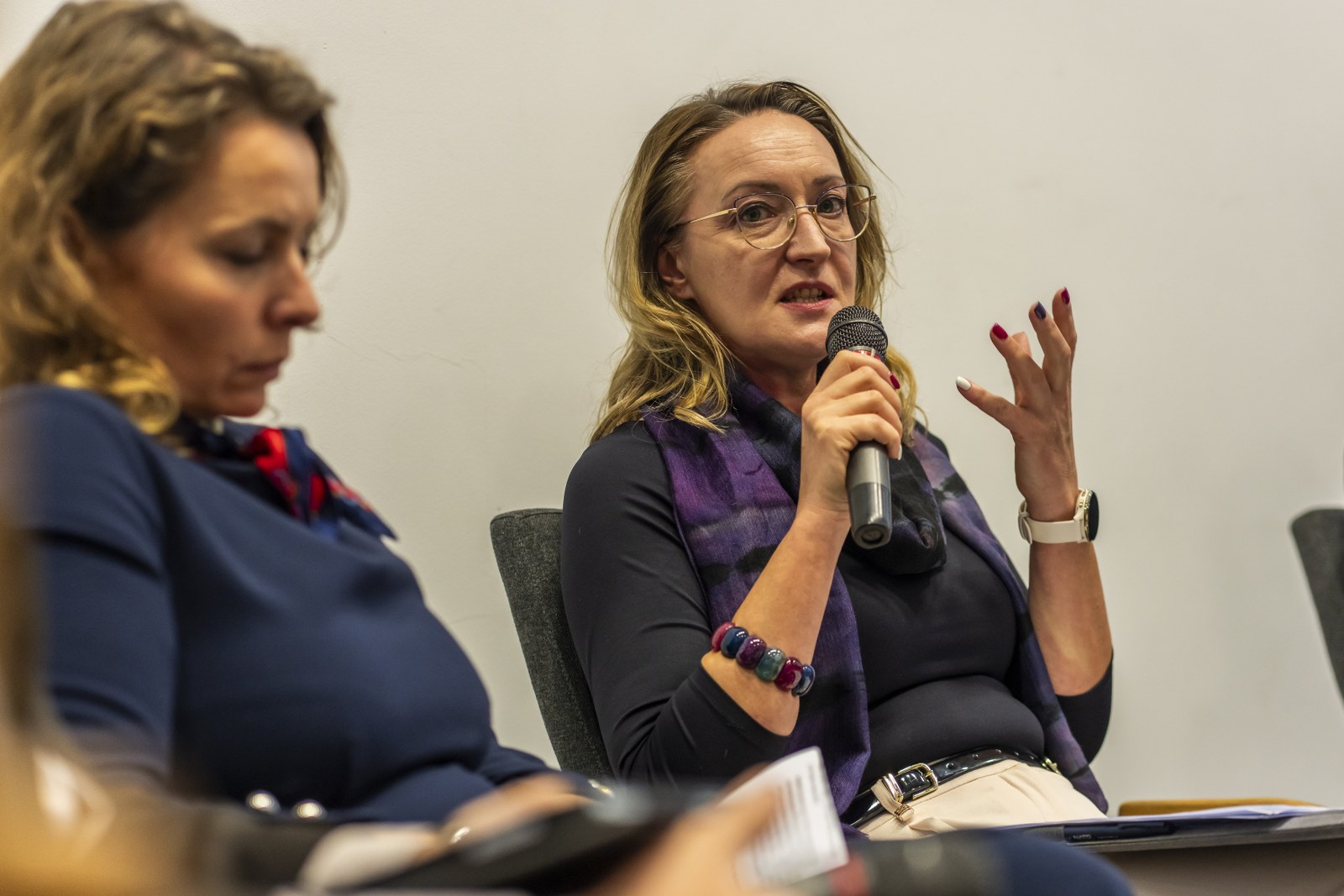
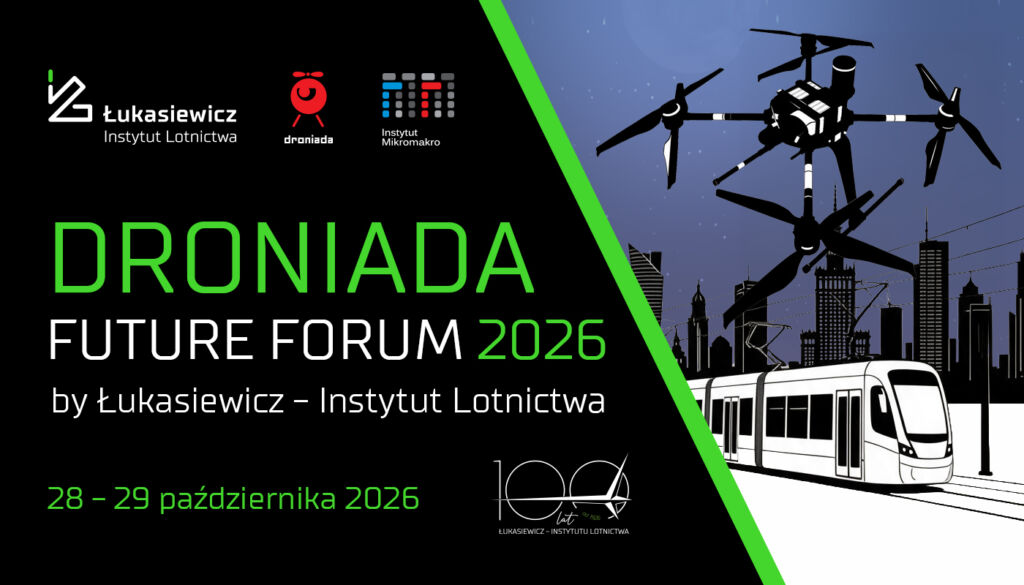
Airspace safety, civilian and military applications of drone technology, skills development, and the practical use of uncrewed aerial vehicles (UAVs) in the economy and public administration were the key themes of Droniada Future Forum 2026 by Łukasiewicz – Institute of Aviation. Held in Warsaw on 28–29 October 2026, the two-day conference brought together representatives of science, business, public administration, local governments, and institutions responsible for security and airspace management.
The event was organised by Łukasiewicz – Institute of Aviation and the Mikromakro Institute Foundation. It provided a platform for exchanging knowledge and experience among technology developers, UAV operators, public authorities, and organisations involved in infrastructure, regulation, and operational safety. The programme featured panel discussions, expert presentations, interviews, workshops, and sessions devoted to the practical applications of drone technology.
Day One: Drones, Space and Airspace Safety
The first day opened with welcoming remarks by Dr Eng. Patryk Koć, Deputy Director of Łukasiewicz – Institute of Aviation, and Sławomir Kosieliński, President of the Board of the Mikromakro Institute Foundation. The opening keynote was delivered by Dr Eng. Przemysław Drężek, Deputy Director of the Aviation Technology Centre at Łukasiewicz – Institute of Aviation.
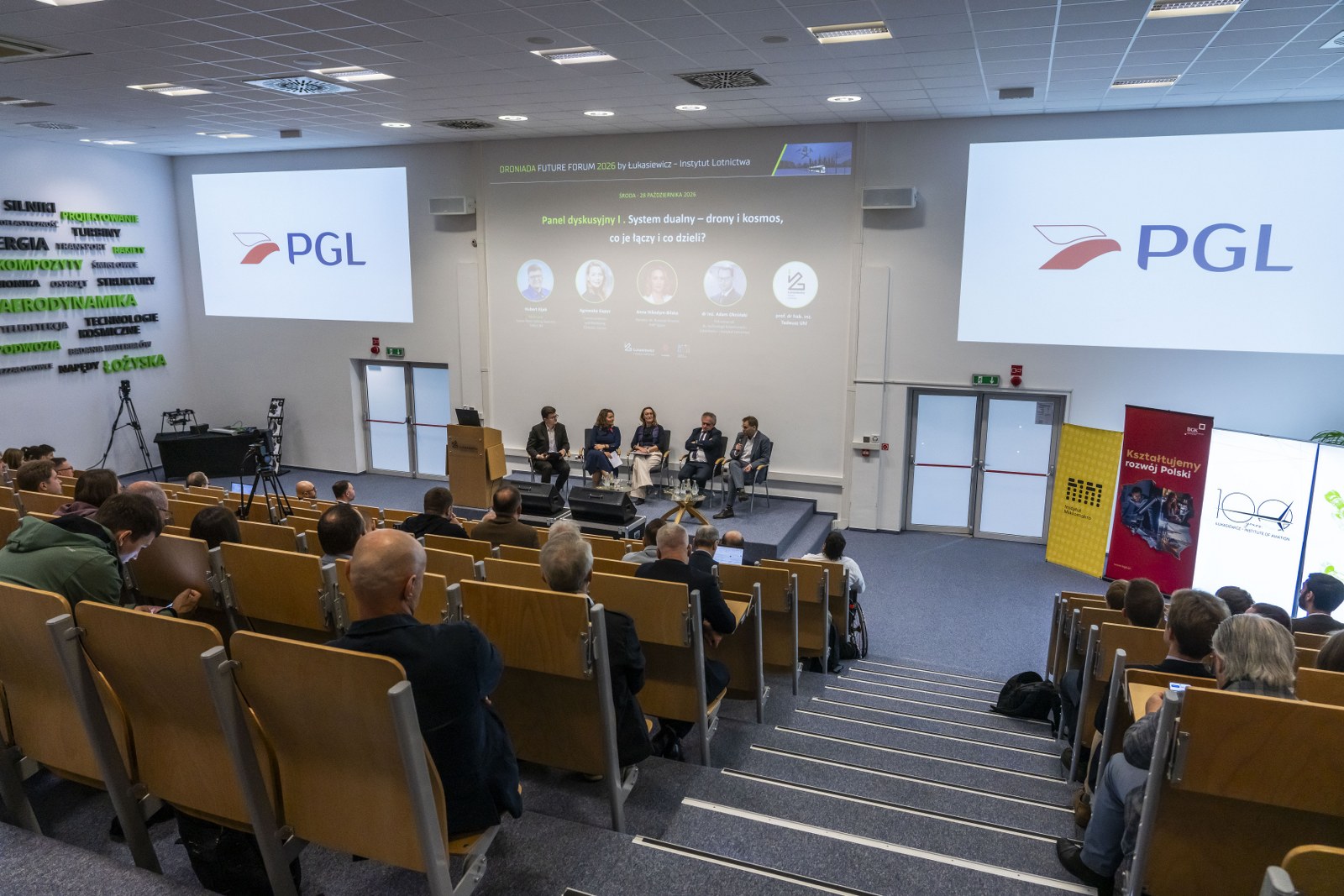
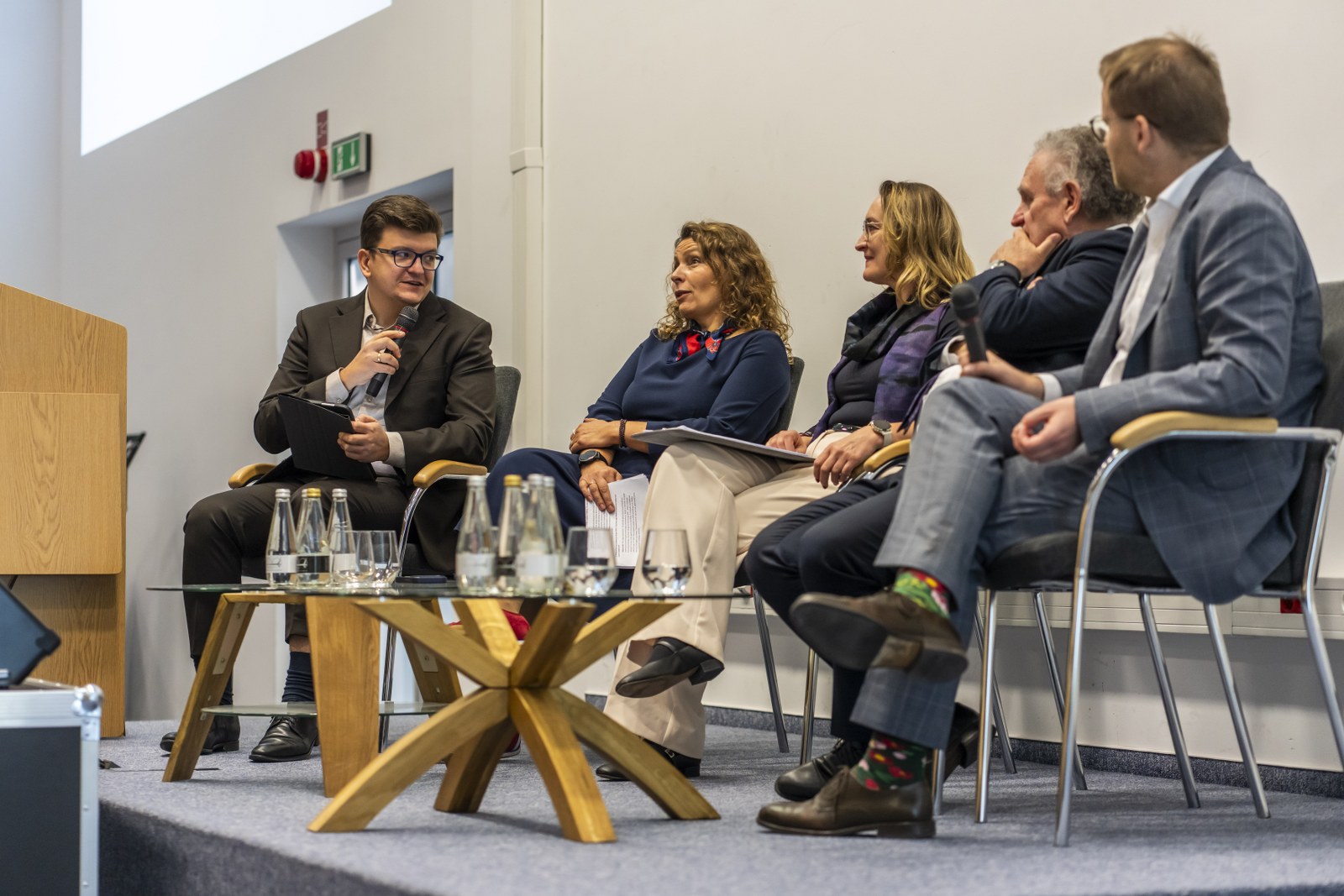
Panel I: Dual-Use Technologies – Drones and Space: What Connects Them and What Sets Them Apart?
The first panel explored the relationship between the uncrewed systems and space sectors, examining opportunities to transfer technologies and expertise between the two fields and the growing importance of dual-use solutions.
The panellists were:
- Agnieszka Gapys – Communications and Marketing Director, Eycore;
- Anna Nikodym-Bilska – Head of Business and Sales, PIAP Space;
- Dr Eng. Adam Okniński – Plenipotentiary for Space Technologies at Łukasiewicz – Institute of Aviation;
- Prof. Tadeusz Uhl.
The discussion was moderated by Hubert Kijek, Senior News Editing Reporter at TVN24 BIS.
Expert Presentations: Technology, Defence and Infrastructure
The next session brought together research, defence-related applications of drones, and the infrastructure required to support the development of the UAV sector.
Three presentations were delivered:
- “Detonation Engine – The Future of High-Speed UAVs” – Dr Eng. Michał Kawalec, Senior Research Specialist at Łukasiewicz – Institute of Aviation, discussed the development of propulsion systems for high-speed uncrewed aerial vehicles.
- “Drones on the Modern Battlefield: Lessons from Ukraine” – Melania Parzonka, Senior Specialist for European Security and Deputy Head of the Centre for Security and Defence Innovation at Łukasiewicz – ITECH, examined the role of drones in contemporary armed conflicts.
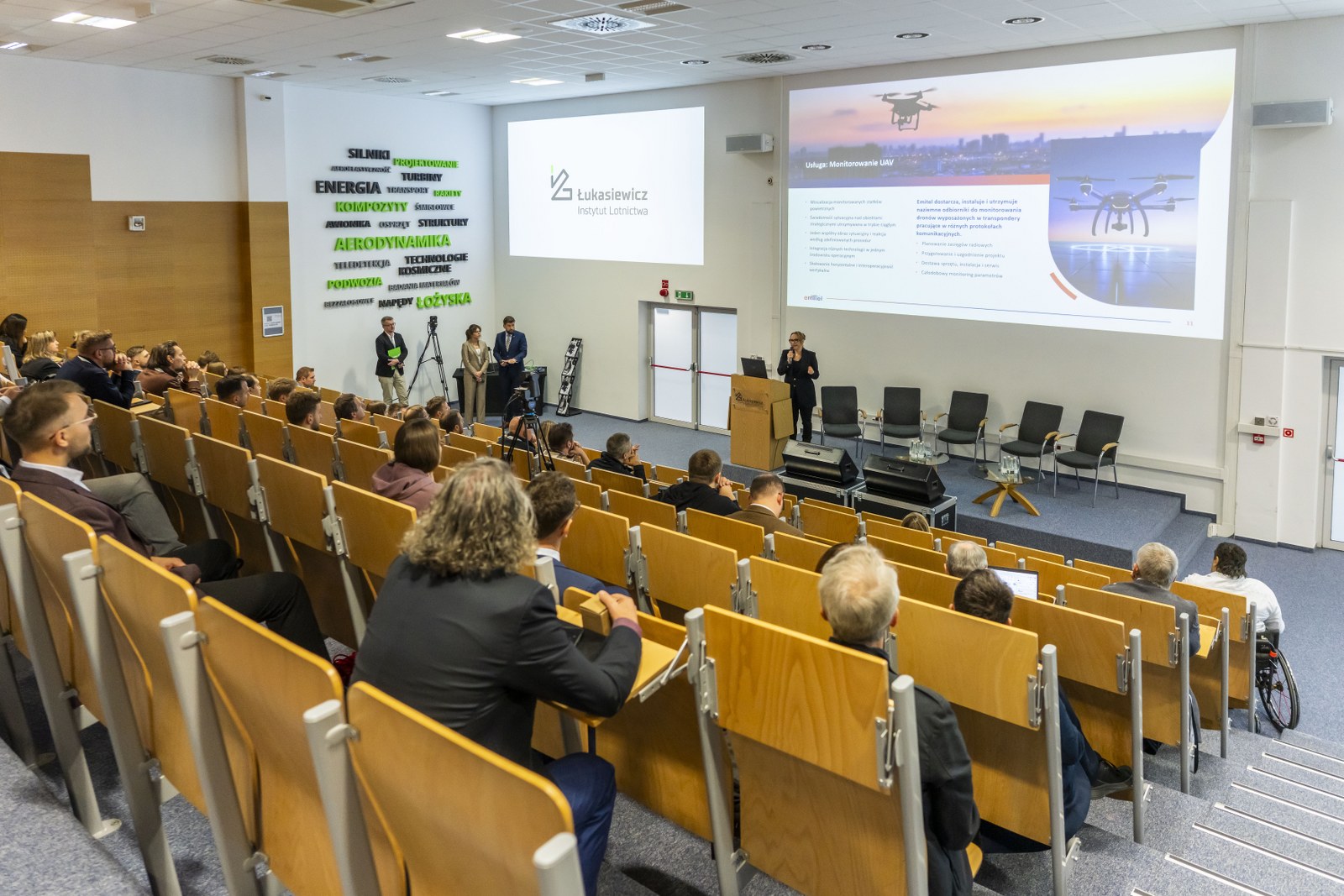
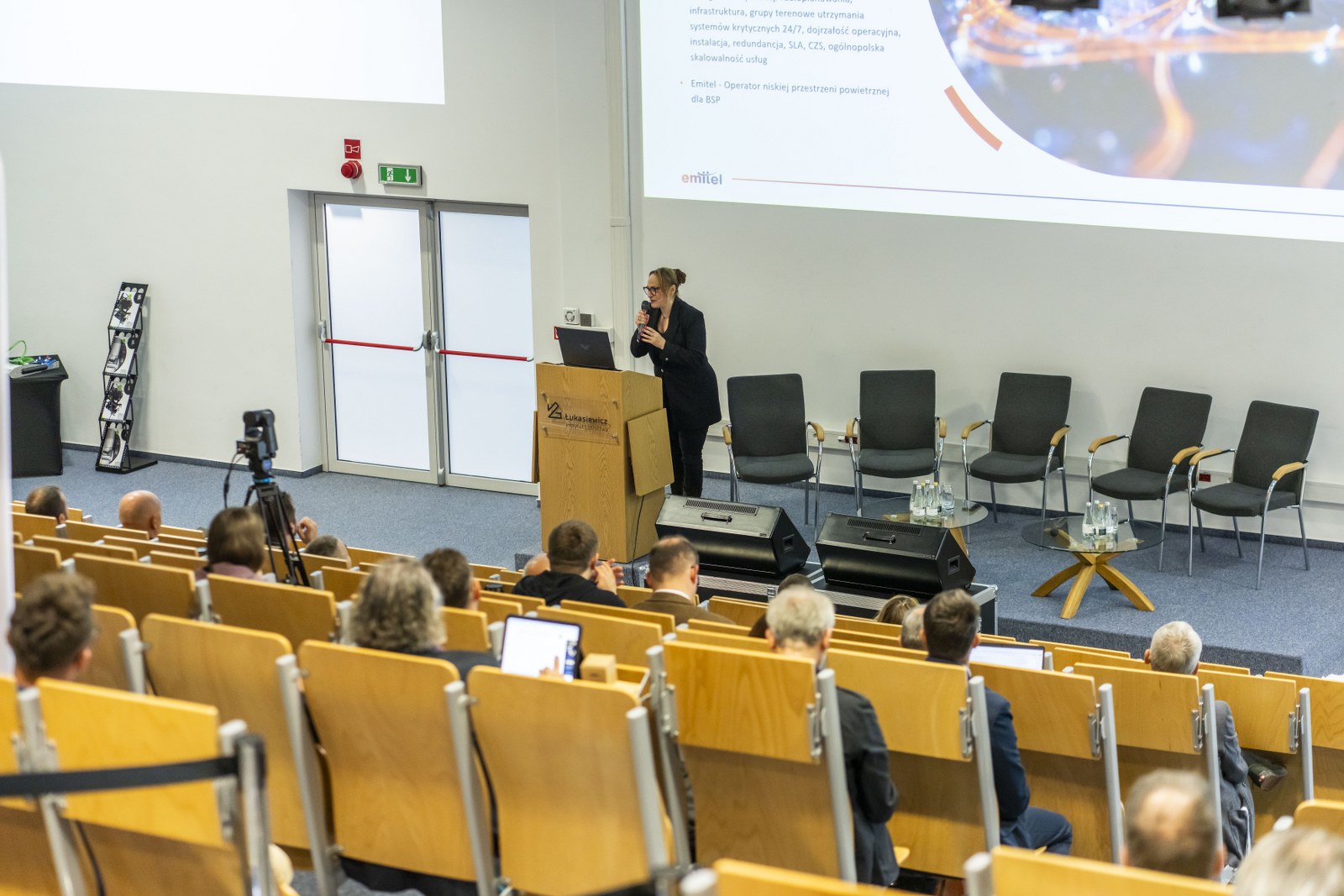
- “Airspace as Infrastructure: What Value Does Emitel Bring to the Drone Sector?” – Elżbieta Mrozek, Business Unit Manager, Airspace Services at EMITEL, presented the company’s experience in airspace monitoring infrastructure, including solutions developed within Emitel Drone Labs, drone monitoring at eight airports, and Competence Centres.
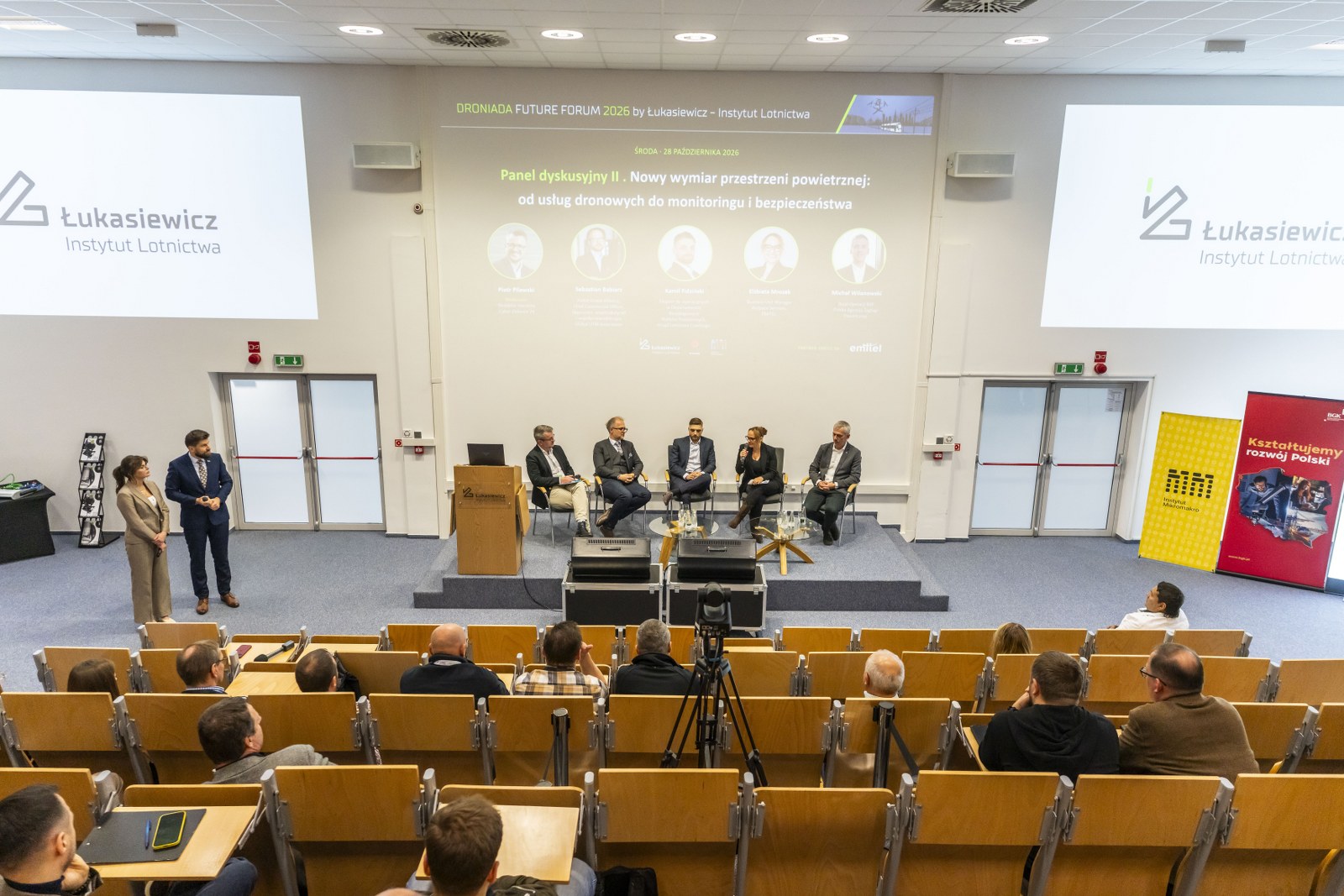
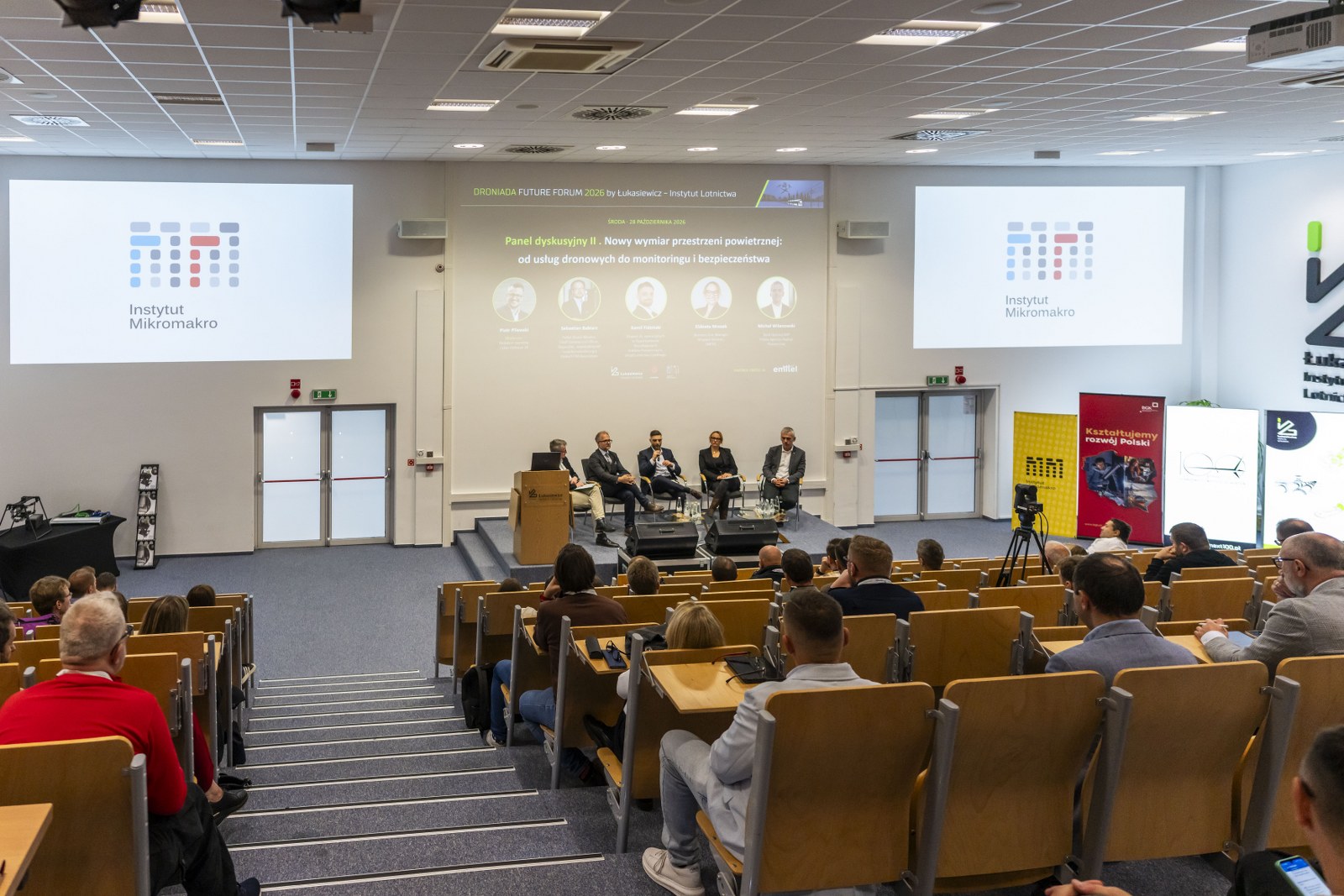
Panel II: A New Dimension of Airspace – From Drone Services to Monitoring and Safety
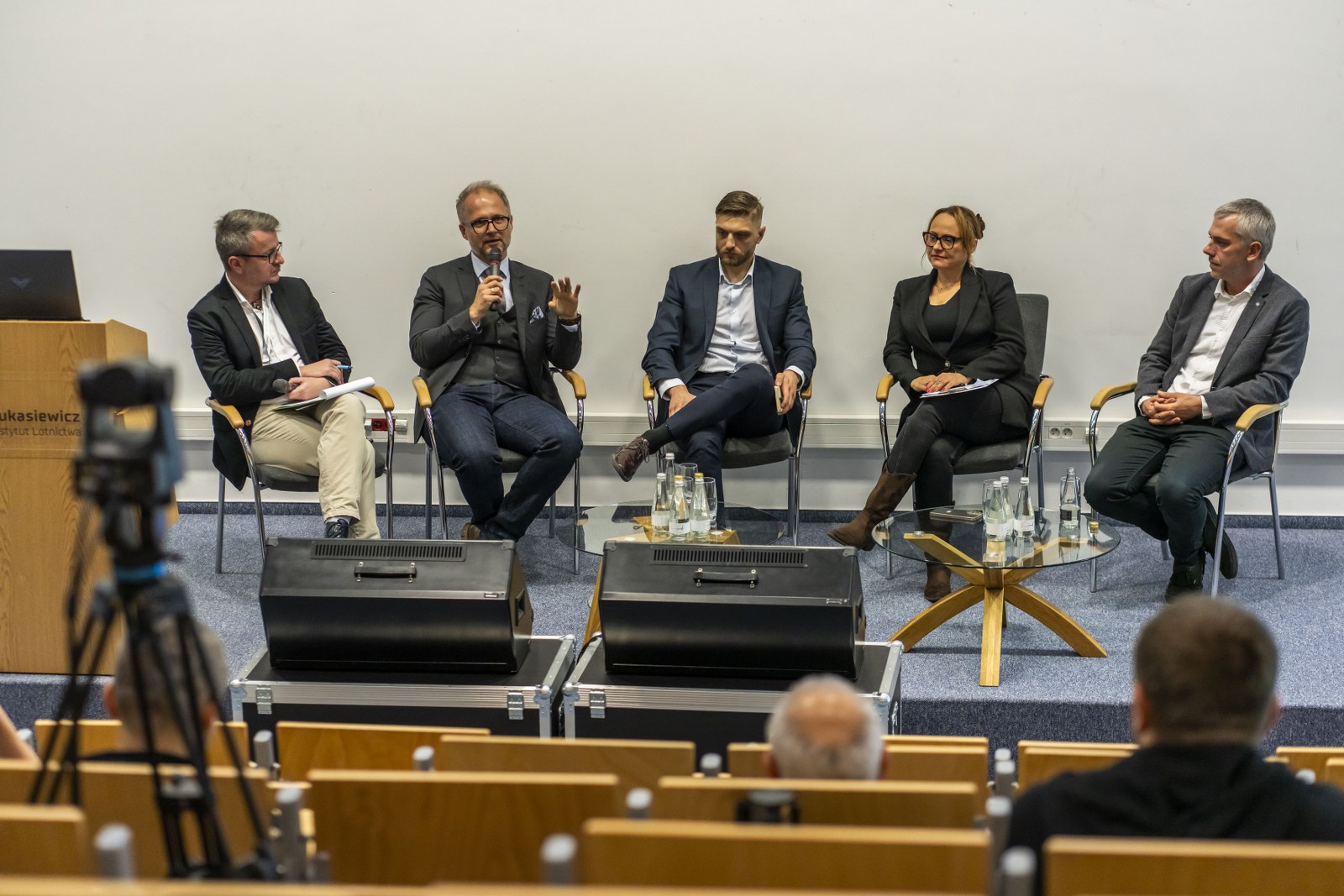
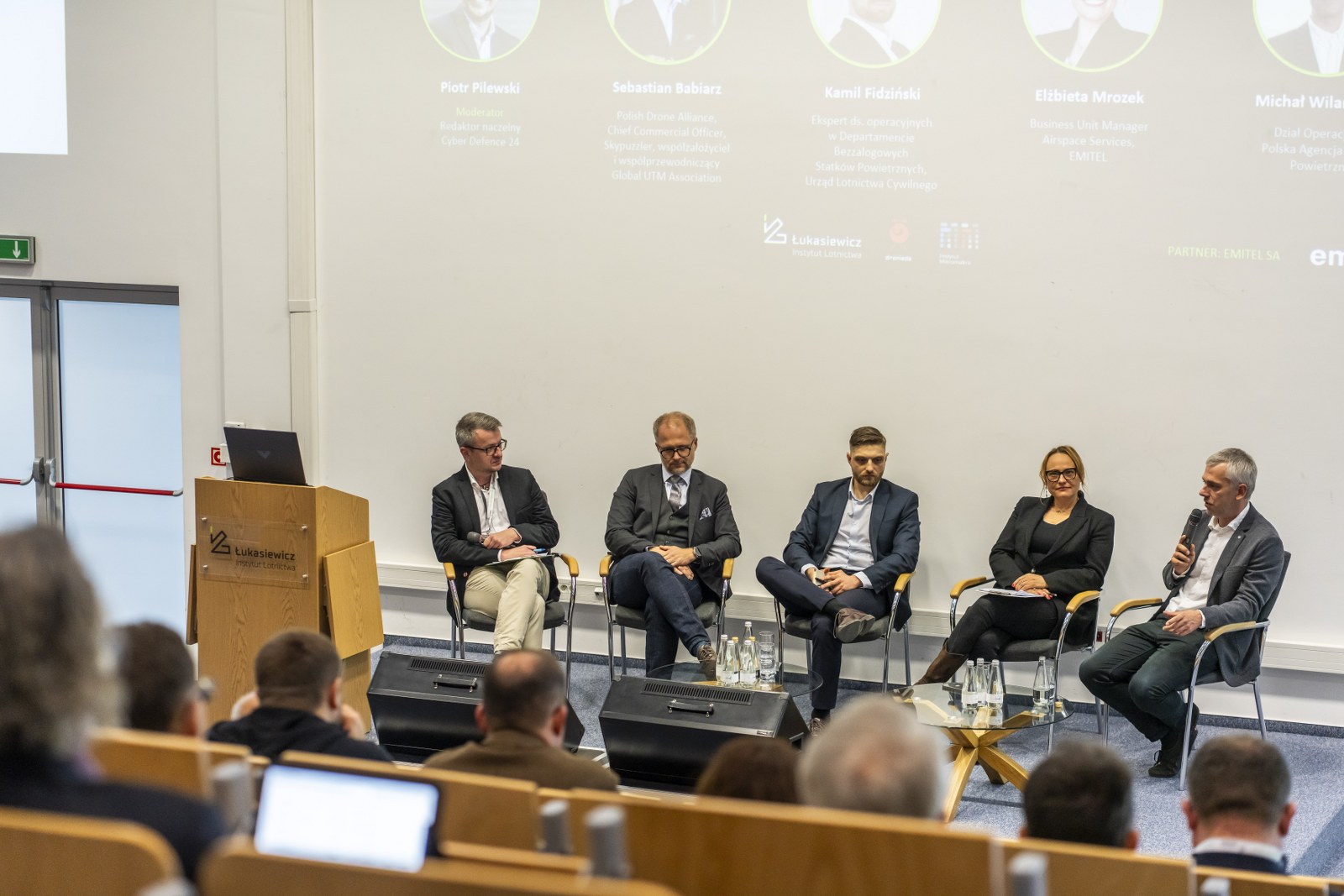
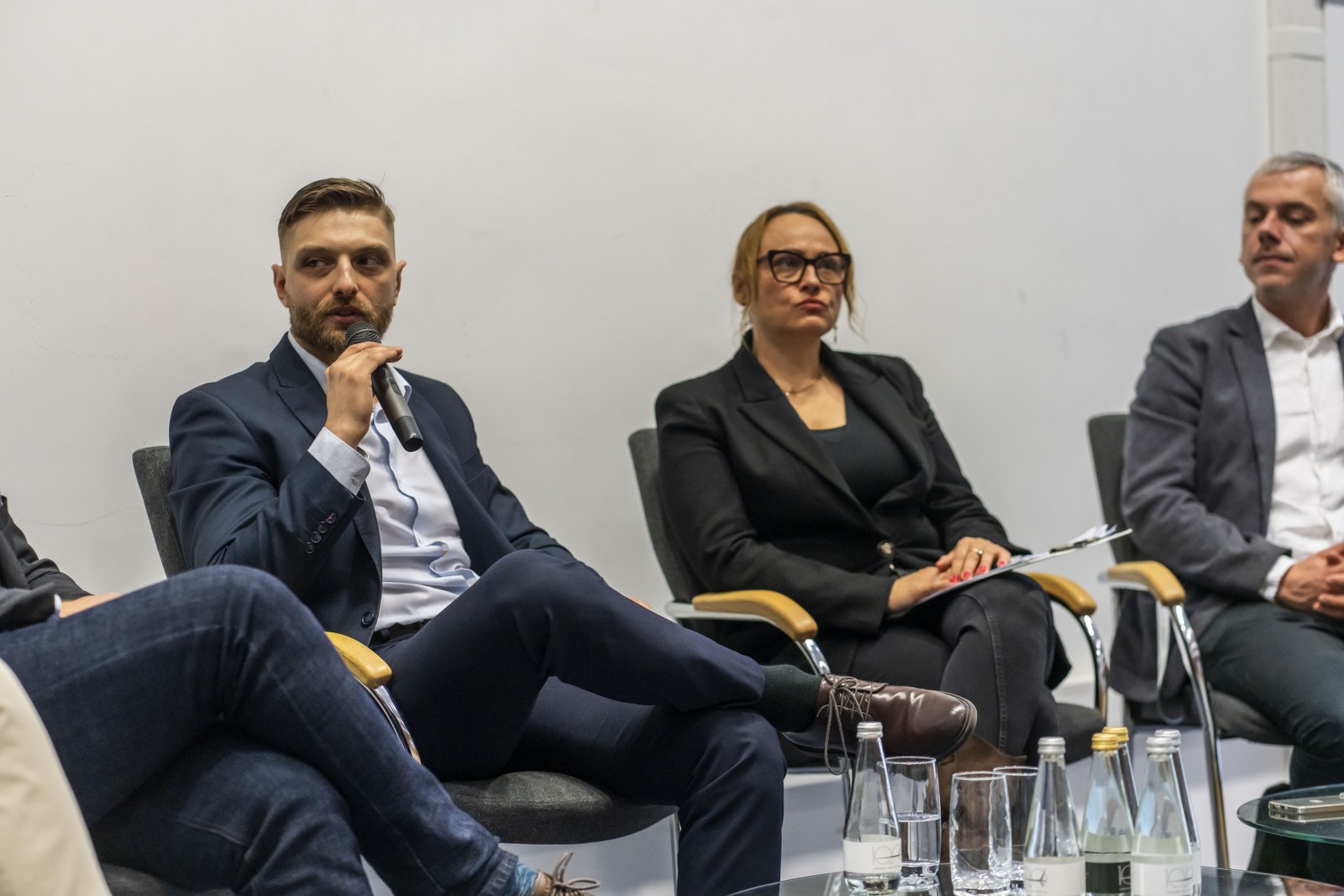
The second panel focused on the conditions needed to develop drone services, monitor airspace, and ensure the safe operation of uncrewed aircraft. The discussion addressed cooperation between operators, public authorities, and organisations responsible for infrastructure and air traffic management.
The panellists were:
- Sebastian Babiarz – President of Polish Drone Alliance, Chief Commercial Officer at Skypuzzler, and Co-Founder and Co-Chair of the Global UTM Association;
- Kamil Fidziński – Operational Specialist at the Unmanned Aircraft Systems Department of the Polish Civil Aviation Authority;
- Elżbieta Mrozek – Business Unit Manager, Airspace Services at EMITEL;
- Michał Wilanowski – representative of the Unmanned Aircraft Operations Department at the Polish Air Navigation Services Agency (PANSA).
The discussion was moderated by Piotr Pilewski, Editor-in-Chief of CyberDefence24. EMITEL SA, the conference’s Main Partner, also supported this panel.
Expert Presentations: Safety, Financing and Young Innovators
The next part of the programme addressed three important aspects of UAV development:
- “Methods for Detecting Icing and Decision-Making Strategies in Icing Conditions” – Maciej Osiewicz, Senior Research Specialist at Łukasiewicz – Institute of Aviation.
- “FBIO – An Instrument for the Drone Sector, Implemented Jointly by BGK and Chrobry” – Agnieszka Rachwalska-Marko, Director for EU Capital Processes.
- “Innovation Starts in Student Research Clubs” – Paweł Zawadzki, MSc Eng., member of the KNR Drone student research club and PhD candidate at the Faculty of Power and Aeronautical Engineering of Warsaw University of Technology.
The presentations highlighted the range of challenges facing the sector, from research into flight safety and access to financing instruments to the development of innovative solutions in academic environments.
Panel III: How Can Drone Skills Be Developed to Meet the Needs of the Public and Business Sectors?
The final panel of the first day focused on the skills required to implement uncrewed technologies in businesses, public institutions, and local governments. The discussion explored cooperation between different stakeholder groups and the practical conditions necessary for developing drone services.
The panellists were:
- Bartosz Kosiński – Management Board Member, Chief Business Officer and Co-Founder of REAKTO P.S.A., a Polish company holding Light UAS Operator Certificate (LUC) status;
- Col. Przemysław Kukawski – Unmanned Systems Expert at the European Defence Agency (EDA);
- Jarosław Nowicki – President of the Board of ACO Solutions;
- Adriana Witkowska – representative of the Upper Silesian and Zagłębie Metropolis (GZM), involved in the GZM Drone Services Centre project.
The discussion was moderated by Sławomir Kosieliński, President of the Board of the Mikromakro Institute Foundation. The first day concluded with a networking session, giving participants an opportunity to exchange experiences and establish new professional connections.
Day Two: Practical Applications of Drones in Business and Public Administration
The second day focused on practical applications of uncrewed technologies, ranging from sports broadcasting and urban infrastructure to precision agriculture, local government services, and education.
Interviews: Drones in Action
The morning programme featured interviews demonstrating how uncrewed technologies are being applied across different areas of economic and public life.
- “Drones in Sports Broadcasting: A New Dimension of Sport” – Jacek Turek, FPV pilot specialising in television and online broadcasts of sporting events and collaborating with Red Bull Poland. The interview was conducted by Maria Jakubik of the Mikromakro Institute Foundation.
- “Building and Maintaining Tram Lines in Warsaw” – Mieszko Bysikiewicz, Uncrewed Aircraft Systems Expert at Warsaw Trams. The interview was conducted by Joanna Wieczorek, an aviation law expert.
- “From a Student Research Club to a Drone Startup” – Szymon Romanek, President of the Board of Odronic sp. z o.o. and co-creator of a Polish educational drone. The interview was conducted by Sławomir Kosieliński of the Mikromakro Institute Foundation.
- “Uncrewed Weapon Systems in the Polish Armed Forces: Future Development Directions” – Col. Krzysztof Tarnowski, Deputy Inspector of Uncrewed Weapon Systems. The interview was conducted by Sławomir Kosieliński.
These conversations demonstrated that UAV technology extends well beyond traditional aviation. It can support sports broadcasting, urban infrastructure management, technology entrepreneurship, and defence operations.
Expert Presentations: Precision Agriculture and Mission Safety
Experts from Łukasiewicz – Institute of Aviation presented two topics related to the practical use of UAVs and the safe conduct of uncrewed operations:
- “Uncrewed Aerial Vehicles in Precision Agriculture: A Case Study of the NBSOIL Project” – Karol Bęben, Research Specialist at the Aviation Technology Centre of Łukasiewicz – Institute of Aviation.
- “Ensuring a Safe Uncrewed Mission: Requirements” – Anna Mazur, Head of the Certification Body Department at Łukasiewicz – Institute of Aviation.
The presentations provided a foundation for further discussions on practical drone applications and the requirements that must be considered when planning and conducting safe uncrewed missions.
Local Government Drone Forum: Local Competence Centres and PANSA Training and Testing Facilities
An important part of the second day was devoted to the role of local governments in developing local drone-service ecosystems. Participants discussed Local Competence Centres and training and testing facilities operated by the Polish Air Navigation Services Agency (PANSA).
The discussion was moderated by Sławomir Kosieliński of the Mikromakro Institute Foundation and Łukasz Chaciński of PANSA.
Participants included:
- Mateusz Karkoszka – Secretary of the Town and Municipality of Strzelce Krajeńskie;
- Anna Mazur – Head of the Certification Body Department at Łukasiewicz – Institute of Aviation;
- Adriana Witkowska – Head of the Socio-Economic Development Department at the Upper Silesian and Zagłębie Metropolis, associated with the Upper Silesia Local Competence Centre in Bytom–Zabrze;
- Agnieszka Wojdyła – Deputy Director of the Regional Development Department at the Marshal’s Office of the Podkarpackie Voivodeship in Rzeszów, representing the Podkarpackie Competence Centre;
- Grażyna Wróblewska – Mayor of Przasnysz Municipality.
Workshop for Local Governments and Businesses: Public Services That Can Be Delivered Using Drones
The next session took a practical approach to the use of UAVs in local government. It explored how drone technology could support specific public-sector tasks and create opportunities for cooperation between local authorities and businesses.
The workshop was moderated by Krzysztof Komorowski of the Mikromakro Institute Foundation.
The participants listed in the programme included:
- Karol Bęben – Research Specialist at the Aviation Technology Centre of Łukasiewicz – Institute of Aviation;
- Dr Habil. Eng. Robert Głębocki, Professor at Warsaw University of Technology, associated with OPS Przasnysz;
- Michał Kramarz – Head of the Investor Services Office at Opole City Hall, associated with the Upper Oder Local Competence Centre.
Piotr Szczepański, President of the Board of the Rural Development Foundation, provided expert commentary. The published programme also listed an additional Research Specialist from the Aviation Technology Centre at Łukasiewicz – Institute of Aviation, without providing a name.
Parallel Workshops: Precision Agriculture and Safe Uncrewed Missions
Participants could then choose between two practical workshops delivered by experts from Łukasiewicz – Institute of Aviation:
- “Uncrewed Aerial Vehicles in Precision Agriculture” – led by Karol Bęben, Research Specialist at the Aviation Technology Centre of Łukasiewicz – Institute of Aviation.
- “Ensuring a Safe Uncrewed Mission” – led by Anna Mazur, Head of the Certification Body Department at Łukasiewicz – Institute of Aviation.
The workshops complemented the earlier expert presentations, offering a more practical perspective on UAV applications and the requirements for safe operations.
Drone Education in Primary and Secondary Schools, Including Uniformed-Service Classes
The final panel focused on developing drone-related skills at an early stage of education. Participants discussed opportunities to introduce uncrewed technologies into school curricula, encourage young people’s interest in engineering, and strengthen cooperation between schools, teachers, and the technology sector.
The discussion was moderated by Dr Eng. Aldona Rosner, President of PBL Academy and the originator and co-organiser of Droniada Junior.
The panellists were:
- Michał Ceszke – vocational IT teacher at the Rev. E. Roszczynialski County School Complex No. 3 in Wejherowo;
- Piotr Motyka – Headteacher of the Witold Pilecki Primary School in Żyznów, Strzyżów Municipality;
- Monika Olejnik – Physics teacher and mentor to drone teams at Primary School No. 350 named after the Home Army in Warsaw’s Bemowo district;
- Sławomir Smugowski – President of the Silesian Branch of the Polish Information Processing Society, lecturer at the University of Silesia, and teacher at the Centre for Vocational and Continuing Education in Jaworzno.
Piotr Szczepański, President of the Board of the Rural Development Foundation, provided additional commentary.
The conference programme concluded with a summary session, followed by an opportunity for participants to visit selected laboratories at Łukasiewicz – Institute of Aviation and learn more about the Institute’s research facilities.
Collaboration to Advance the UAV Sector
Droniada Future Forum 2026 by Łukasiewicz – Institute of Aviation brought together research, business, local government, and regulatory perspectives. The programme demonstrated that advancing the UAV sector requires more than technological innovation alone. It also depends on appropriate infrastructure, skills development, safety standards, and effective cooperation between institutions.
For Łukasiewicz – Institute of Aviation, the event was also an opportunity to showcase its research and technical expertise in uncrewed technologies, spanning propulsion research, mission safety, precision agriculture, certification, and the development of new UAV applications.
Droniada Future Forum is a platform where science meets practice and knowledge-sharing helps translate the potential of uncrewed technologies into solutions addressing the real-world needs of industry, public administration, and security.
EMITEL was the Main Partner of the event. Other conference partners included the Polish Civil Aviation Authority, Bank Gospodarstwa Krajowego (BGK), and the Polish Aviation Group (PGL).