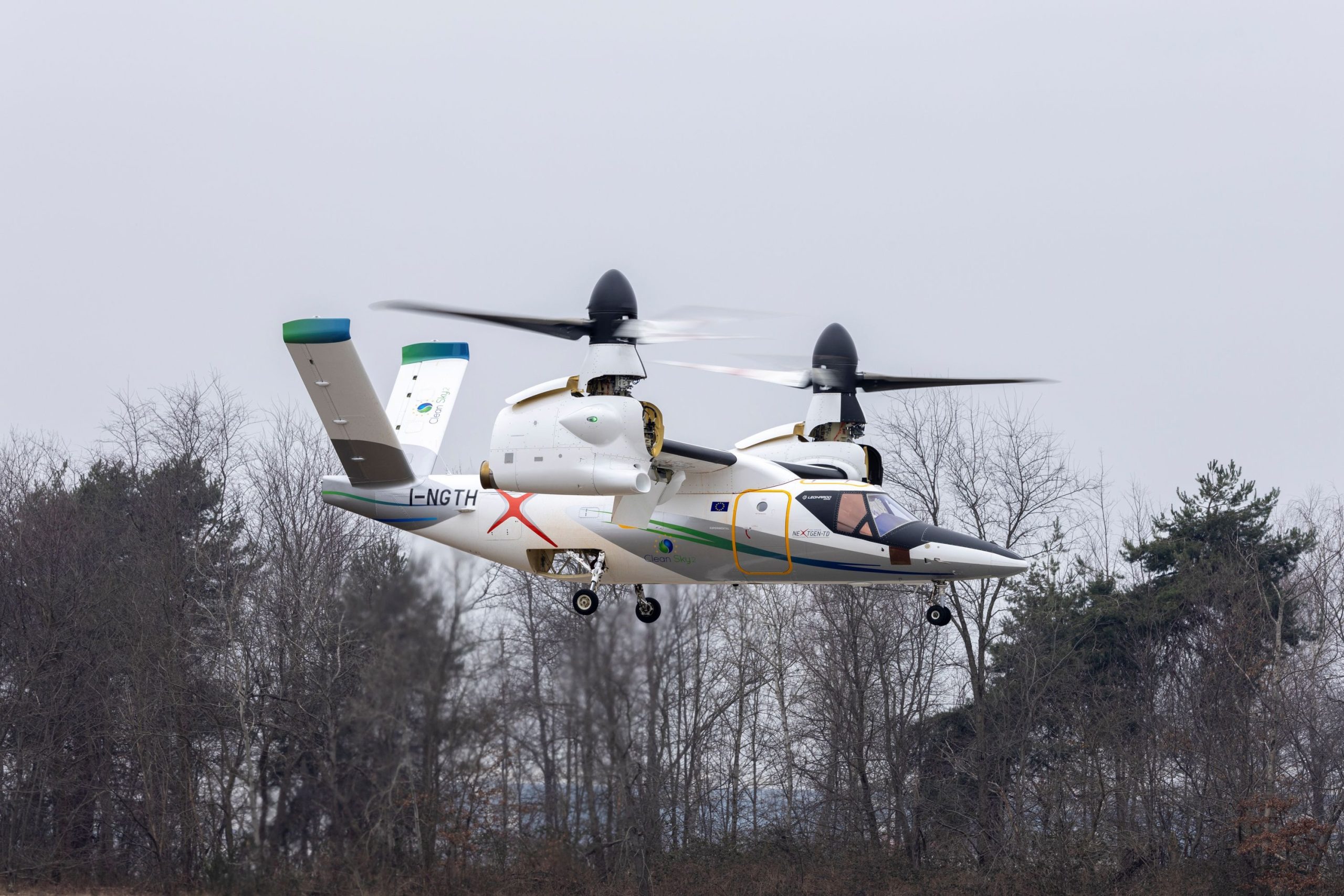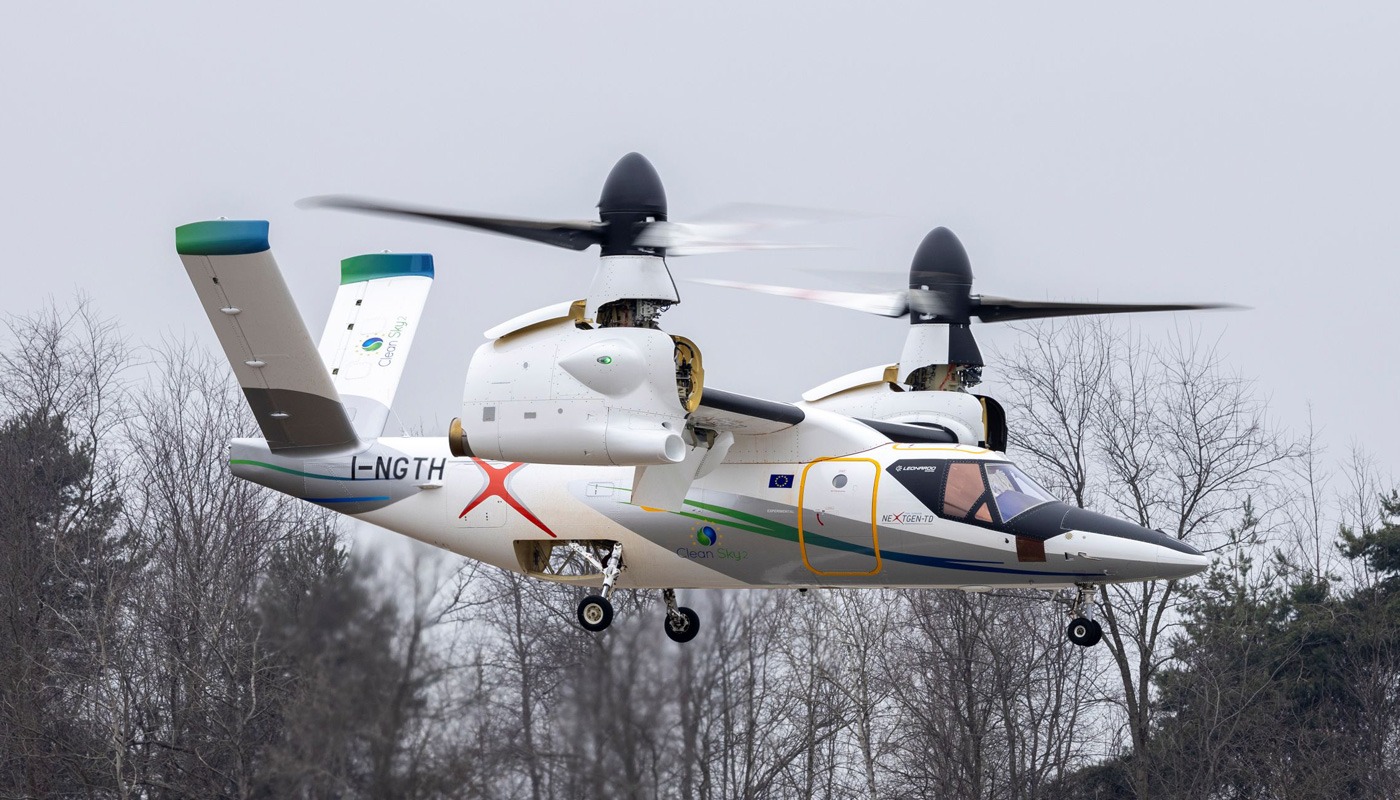
Leonardo Helicopters has conducted the maiden flight of the Next Generation Civil Tiltrotor Demonstrator (NGCTR-TD), developed under the Clean Sky 2 Joint Undertaking programme.
This historic milestone took place on 19 December 2025 in Cascina Costa, marking the start of the flight‑test campaign for one of Europe’s most advanced projects in the field of sustainable aviation.
The NGCTR-TD combines the operational flexibility of a helicopter with the performance of a fixed‑wing aircraft, offering a cruise speed of approximately 280 knots and a range of up to 1,000 nautical miles. These capabilities open new opportunities in passenger mobility, cargo transportation, and search‑and‑rescue operations, while significantly reducing environmental impact.
Łukasiewicz – Institute of Aviation made a substantial contribution to the project. Together with the TRAIL consortium, the Institute designed, tested, and manufactured technologically advanced engine nacelles for the NGCTRTD. The work focused on weight reduction, part count minimisation, aerodynamic improvement, and reducing environmental impact—particularly noise and vibration.
As a result, the team developed an innovative, integrated composite nacelle structure featuring, among others:
- lightweight composite firewalls,
- an aerodynamically optimised architecture to minimise drag,
- solutions reducing vibration and noise levels.
The technologies developed within the project represent a major step forward in the design of next‑generation aircraft and rotorcraft, offering the potential for reduced production costs and improved operational efficiency.
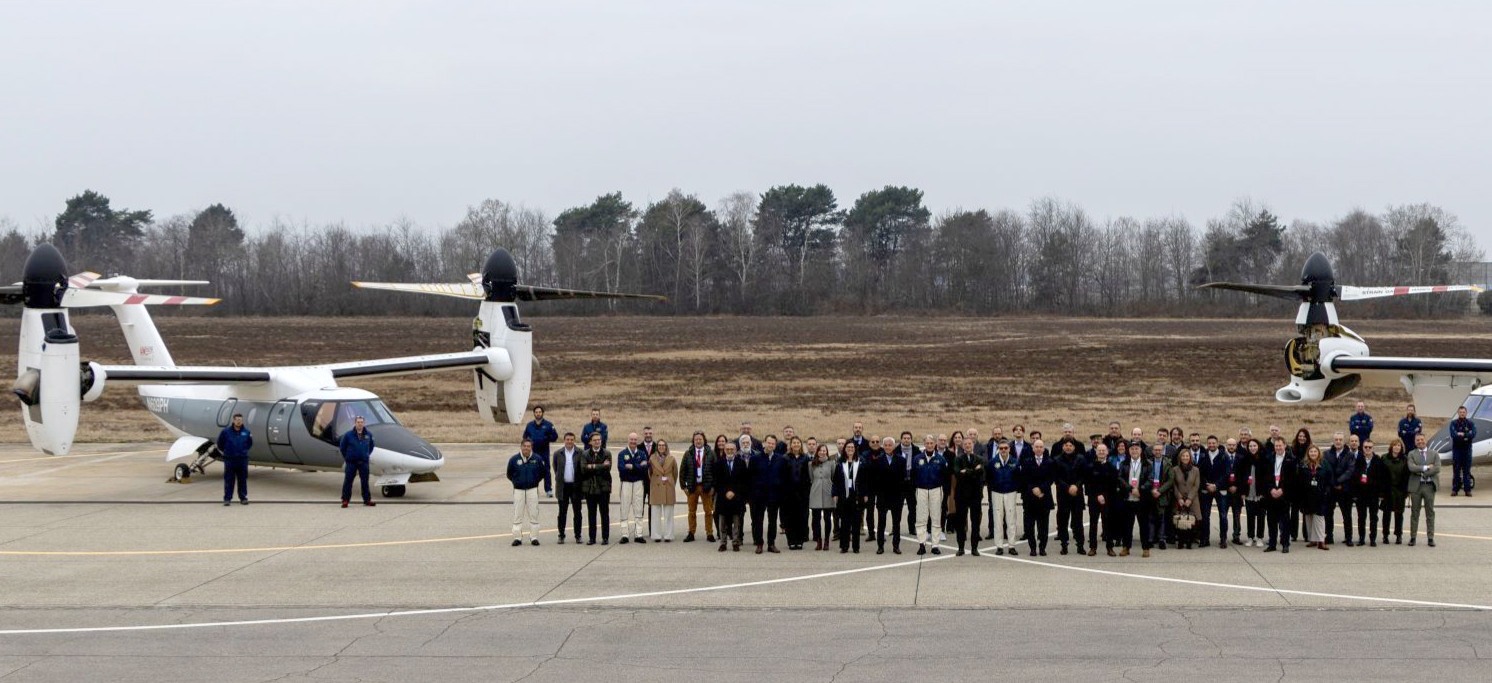
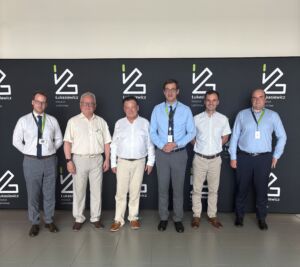
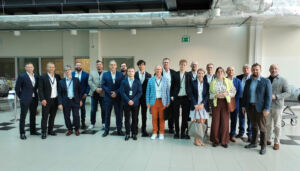
On 25 February 2026, the aircraft was officially unveiled, accompanied by an in‑flight demonstration. The event gathered representatives of the Clean Sky / Clean Aviation Joint Undertaking, as well as delegations from the companies involved in the project’s development, including representatives of Łukasiewicz – ILOT.
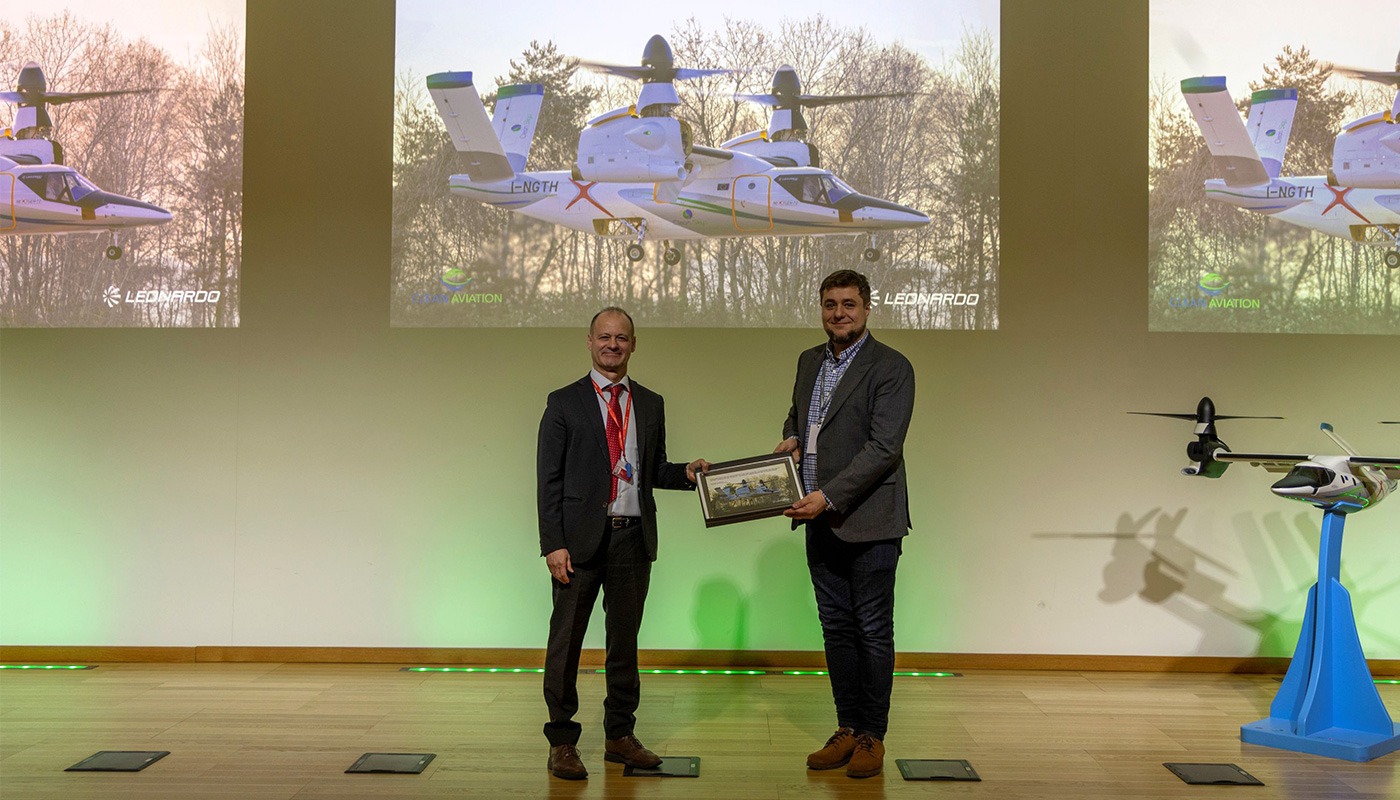
During the meeting in Vergiate, the TRAIL project received high recognition from Leonardo Helicopters, and a symbolic award was presented to the project coordinator, Marek Tabor, on behalf of the entire team.